Germany's fractious ruling coalition hails 'constructive' talks
Germany's governing coalition announced Thursday that emergency talks aimed at resolving longstanding policy disputes had produced a "positive and constructive atmosphere," as the government faces mounting political pressure from surging far-right support and collapsing public confidence.
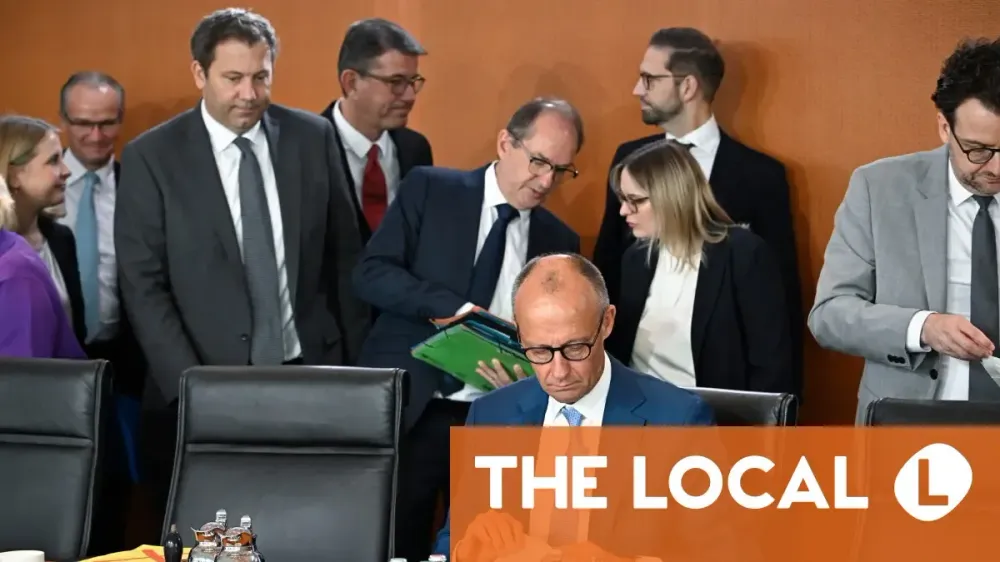
The crisis meeting on Wednesday evening brought together senior figures from Chancellor Friedrich Merz's conservative CDU/CSU bloc and their junior partner, the centre-left SPD. Thorsten Frei, leader of the CDU/CSU parliamentary group, and his first deputy Alexander Hoffmann joined SPD parliamentary manager Matthias Miersch for the discussions.
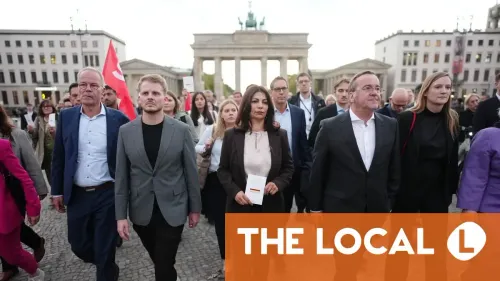
"We are aware that our democracy is currently facing a historic test. We are firmly determined not to abandon our country to extremists."
The coalition, which holds 328 seats in the 630-member Bundestag—comfortably above the 316-seat threshold required for a governing majority—has struggled to advance key legislative priorities since taking office in May 2025. Vice Chancellor Lars Klingbeil and other SPD leaders have grown increasingly restive as internal disputes have paralyzed the government's agenda.
Coalition under severe political strain
The talks come at a particularly difficult moment for Merz, who became chancellor on May 6, 2025, following his CDU/CSU's victory in February elections. He was elected by parliament in a second round of voting after suffering an unprecedented defeat on the first attempt—an inauspicious start that foreshadowed the challenges ahead.
Recent polling reveals the depth of the government's crisis. According to an Infratest dimap survey released on October 1, satisfaction with Merz's performance has plummeted to just 10 percent—the lowest rating for any German chancellor since the polling series began in 1997. Dissatisfaction with his leadership has reached 89 percent.
Meanwhile, the far-right Alternative for Germany (AfD) has reached unprecedented heights in national polling. An INSA survey conducted from September 28 to October 2 showed the AfD at 30 percent support—the first time the party has achieved this level in federal polling. The same survey placed the CDU/CSU at just 18 percent and the SPD at 14 percent. The AfD, which holds 151 seats in the Bundestag under the leadership of Tino Chrupalla and Alice Weidel, is now the largest opposition party.
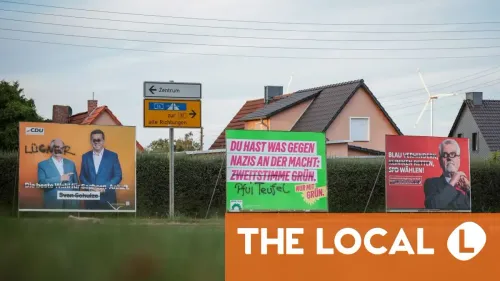
The coalition's troubles intensified following September's state elections, which delivered historic defeats for Merz's conservatives. In Mecklenburg-Western Pomerania, the CDU failed to clear the 5 percent threshold for the first time in any German state election, winning no seats. Merz called the result "disastrous" but vowed to continue as chancellor.
Stalled reforms at center of disputes
The governing parties stated that "economic growth, job security, and social cohesion must remain at the heart of the upcoming agenda" and pledged to "swiftly finalize reform projects" that have been stalled for months.
Chief among the deadlocked initiatives is comprehensive pension reform. In June 2026, the government's Pensions Commission presented 33 recommendations, including linking the retirement age to life expectancy after 2031 and establishing a statutory funded pension scheme. Merz has committed to passing the reforms by the end of 2026, but proposed changes remain contentious within the coalition.
The pension system currently receives an estimated 127 billion euros in tax revenue funding, with contribution rates standing at 18.6 percent of gross salary. The pension level, guaranteed at 48 percent until 2031, represents a significant fiscal commitment that makes reform politically sensitive.
Other stalled initiatives include an overhaul of Germany's old age care system. Proposed cuts have proven deeply unpopular with the SPD's left wing, particularly as Merz's declining popularity has fueled doubts about the coalition's future.
Taboo-breaking concerns
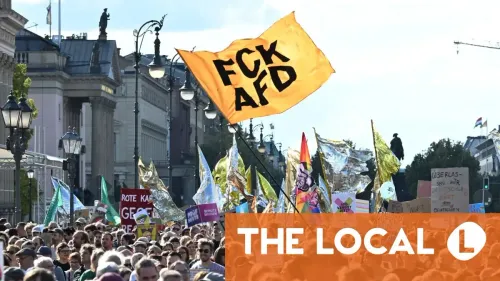
Adding to the mutual suspicion between coalition partners is speculation that some conservatives may be willing to break longstanding political taboos by cooperating with the AfD. Merz has firmly rejected any such alliance, but the possibility has heightened tensions.
The CDU/CSU, meanwhile, has sharply criticized the SPD for considering a local coalition with the far-left Die Linke party in Berlin, reflecting the deep mistrust that has complicated cooperation.
The 144-page coalition agreement titled "Responsibility for Germany," which took 45 days to negotiate following last year's election, laid out an ambitious reform agenda. Whether the latest crisis talks can break the current gridlock and allow those reforms to proceed remains uncertain as Germany's political establishment confronts what lawmakers themselves acknowledge is a "historic test" for the country's democracy.