Germany's Deutschlandticket to cost €66.80 from 2027
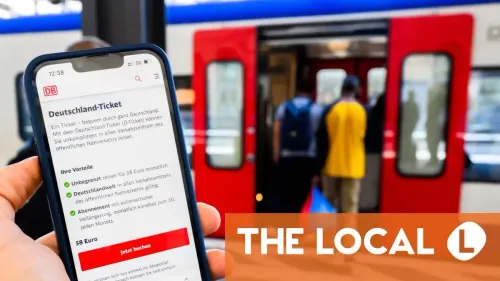
Germany's nationwide public transport subscription will cost €66.80 per month starting January 2027, authorities confirmed on Wednesday. The €3.80 increase brings the Deutschlandticket to its highest price since its introduction.
The ticket, which allows unlimited travel on regional and local public transport across Germany, has now increased three times since its May 2023 debut. It launched at €49 monthly, rose to €58 in January 2025, then to €63 at the start of 2026.
Currently serving approximately 14.5 million subscribers, the Deutschlandticket was created as the permanent successor to the highly popular 9-Euro-Ticket. That predecessor scheme, offered for three months during summer 2022, sold over 52 million tickets and was introduced as part of government relief measures during the energy crisis caused by Russia's war in Ukraine to help citizens cope with rising costs.
Since its launch with 6.4 million subscribers in May 2023, the ticket has grown substantially, reaching 11.6 million users by the end of that year. The pass now accounts for more than half of all public transport journeys in Germany and around two-thirds of passenger kilometers traveled, with the average number of trips per subscriber rising from 25 in 2024 to over 30 in spring 2026.
The federal and state governments each contribute €1.5 billion annually to fund the program and limit losses for transport operators. However, previous price increases have shown subscriber sensitivity. When the price jumped to €58 in January 2025, the ticket lost approximately 1 million users, dropping from 14.5 million in December 2024 to 13.4-13.5 million. Young users aged 14-29 were particularly affected, with subscriptions in that demographic declining by more than 36 percent.
The most recent increase to €63 in January 2026 saw a more modest reaction, with a cancellation rate of approximately 5.75 percent compared to the roughly 8 percent rate following the previous hike. Public transport ridership in Germany reached 5.7 billion passengers in the first half of 2026, representing a 2 percent increase over the same period in 2025.
Discounted versions will also increase proportionally. The Jobticket for employees will cost €63.46 monthly, while the Semesterticket for students rises to €40.08.
Environmental advocates criticize timing
The German Association for the Environment and Nature Conservation (BUND) sharply criticized the price increase, particularly given the government's allocation of fuel tax relief. Germany implemented two separate temporary fuel tax cuts in 2026, each reducing fuel taxes by approximately 17 cents per liter at a cost of €2.5 billion per period.
Jens Hilgenberg, Head of Transport Policy at BUND, called it unacceptable for the government to set aside billions for fuel rebates while failing to stabilize Deutschlandticket pricing. The ticket is estimated to save up to 3 million tons of CO2 annually, with around one-third of trips by ticket holders being journeys that would not have been made by public transport without the affordable pass.
The constant discussions about the ticket and its price are tiresome and create uncertainty. People need long-term predictability in order to change their travel habits permanently.
Detlef Neuß from the passenger association Pro Bahn echoed the frustration, stating that in light of the fuel tax cuts, there should also be relief for Deutschlandticket users.
Pricing methodology
The new price was calculated using a cost index that takes into account staff, energy, and operating costs. D-Tix, the company established for the Deutschlandticket, carried out the calculations. The matter was then reviewed by the Deutschlandticket Coordination Council, which comprises the federal government, the federal states, local authority umbrella organizations, and the transport sector.