Allies disagree over Ukraine's targets
US Deputy Secretary of Defense Elbridge Colby told the Ukraine Contact Group that high-profile attacks far behind the front had neither brought the war closer to an end nor halted Russia's battlefield advance. He characterized the attacks as intended to inflict suffering on Russia's population and argued that they could instead reinforce public resolve and the Kremlin's willingness to escalate.
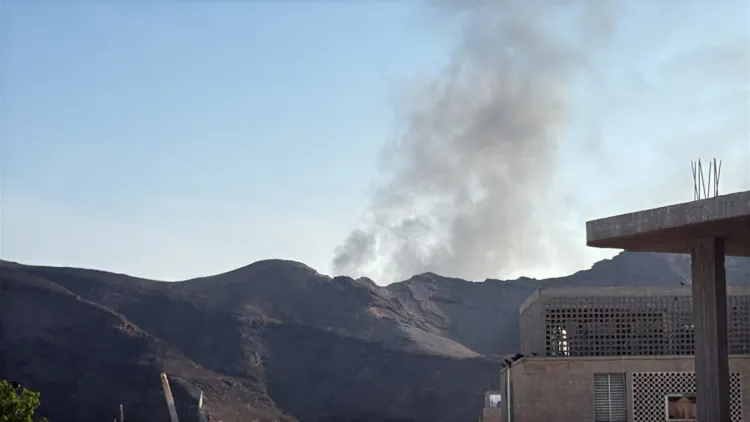
Colby singled out attacks on civilian infrastructure, including the online retailer Wildberries, and warned that Russia could retaliate deep inside Ukraine. He said Washington was not seeking to restrict Ukraine's ability to defend itself, but wanted Western military assistance focused on holding the front and stopping the Russian offensive. He also acknowledged that hitting facilities supplying Russian forces could slow their advance.
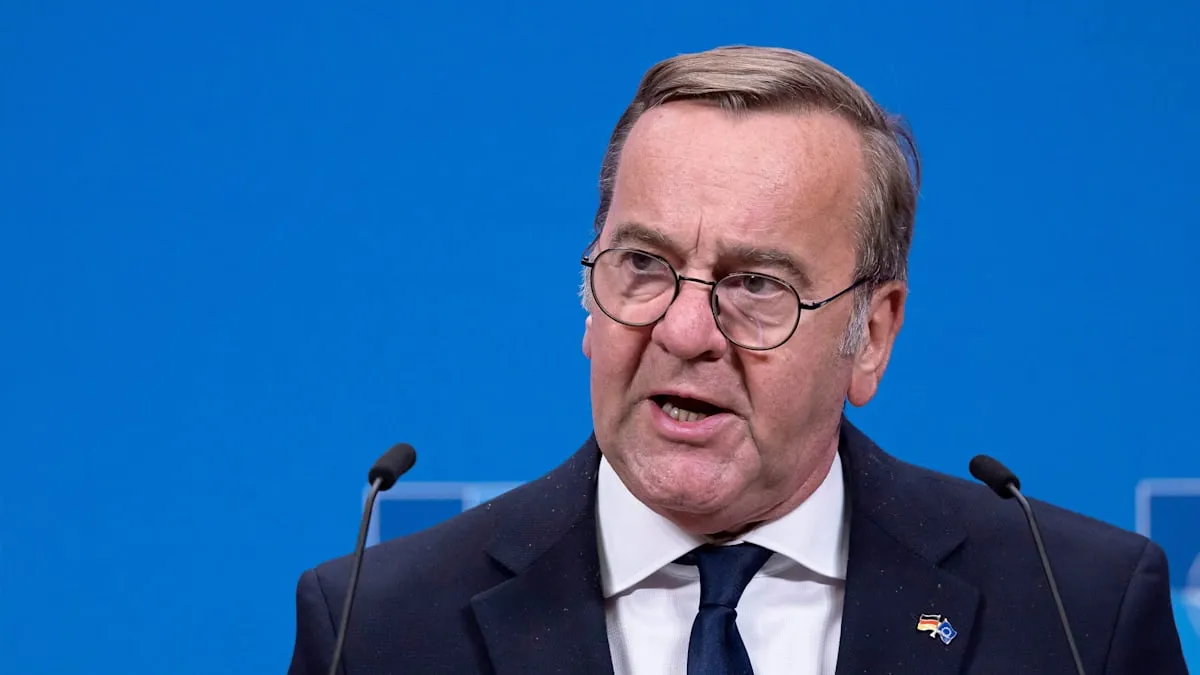
Pistorius sharply rejected the US criticism. Other European officials defended the bridge strike as a legitimate and necessary defensive action: Russia built the crossing and uses it to supply troops in Crimea and occupied southern Ukraine.
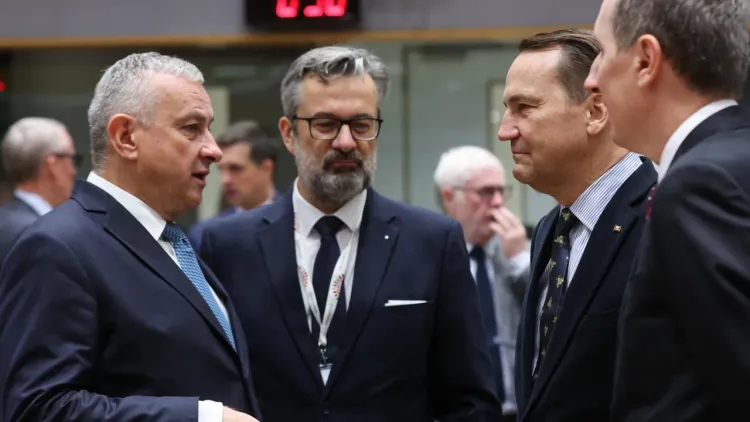
NATO Secretary General Mark Rutte said Ukraine's right to defend itself included attacking logistics hubs. British Defense Secretary Wes Streeting described the strike as evidence of Ukrainian ingenuity and determination to resist Russian aggression, and reaffirmed Britain's support. Former US NATO general Ben Hodges called the criticism from a US official shameful and naive.
A two-day operation against the crossing
The attack took place on November 16-17, 2026, according to CNN. President Volodymyr Zelensky called it the seventh and final stage of an "unprecedented operation" conducted entirely with Ukrainian-made weapons.
According to Zelensky and Ukraine's SBU, Palianytsia drones targeted the road section, while Neptune missiles and Ruta and FP-5 drones hit the railway section. A metal arch and the road span below it were destroyed completely; preliminary assessments also indicated damage to the rail section.
The $3.7 billion crossing stretches nearly 12 miles, or about 19 kilometers, making it Europe's longest, according to CNN. Russian state media said its design capacity was 40,000 cars daily, along with 14 million passengers and 13 million tons of cargo annually.
The Boston Globe, citing The New York Times, described the November strike as the most damaging of Ukraine's attacks on the bridge. Earlier operations involved a truck bomb in October 2022, unmanned naval vessels in July 2023 and covert operatives placing explosives on underwater support pillars in June 2025.
Damage could disrupt supplies and shipping
Repair estimates cited by Ukrainian and international media range from many months to more than a year. Colin Caprani, a civil-engineering professor at Australia's Monash University, described the damage as critical. Ukrainian naval reserve captain Andrii Ryshchenko estimated that replacing the destroyed road span and arch could take over a year, noting that crews would have to dismantle damaged sections and work over water.
Ryshchenko also estimated that the loss of a fully operational crossing could cost Russian forces between a quarter and a third of their capacity to supply troops in the region.
The fallen arch landed in the Kerch Strait shipping channel, which connects the Sea of Azov and the Black Sea. Experts warned that removing it could take weeks or months. That could limit passage by large vessels, affecting Russian ports as well as the occupied cities of Mariupol and Berdiansk.
Russian bridge attacks and Ukraine's long-range plans
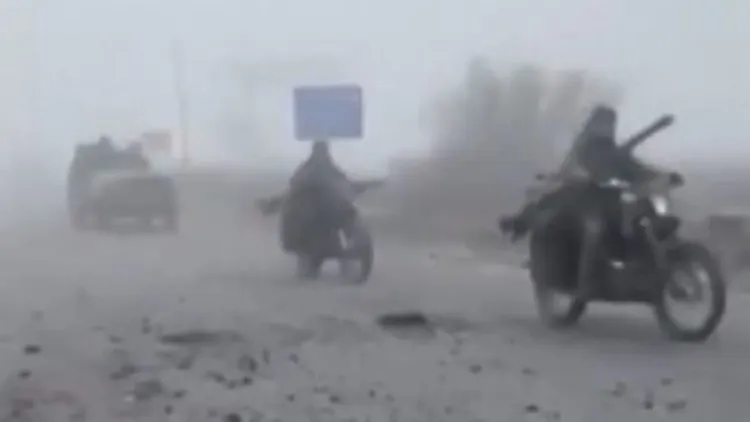
At a joint news conference with Pistorius, Streeting and Rutte, Ukrainian Defense Minister Yevhenii Khmara said Russia had begun systematically attacking bridges across the Dnipro on October 1. He said the campaign targeted connections between the river's left and right banks to terrorize civilians and interfere with logistics.
During the night of November 16-17, Russian ballistic missiles struck Kyiv's North and South bridges. Zelensky said the Southern Bridge took four hits and the Northern Bridge three. Two people were killed, and some districts suffered damage to water and heating supplies. The bridges carry roughly 600,000 vehicles a day, as well as trains and metro services.
Russia's military, meanwhile, claimed that its air defenses had downed 1,441 Ukrainian drones overnight during the November 16-17 attacks. CNN described the reported total as a record for the second day in a row.
Khmara said Ukraine intended to triple its long-range strike capabilities next year. The plans include more jet-powered drones, which he expects to be more capable and able to strike targets inside Russia with greater precision.
Strike precedes planned leaders' meeting
CNN reported that the attack came on the eve of a planned meeting among Vladimir Putin, Donald Trump and Xi Jinping in Shenzhen, China, on the sidelines of the APEC summit. The Kremlin had sought to present the gathering as a "New Yalta." According to CNN, the bridge damage left Yalta effectively inaccessible from mainland Russia until repairs are completed.