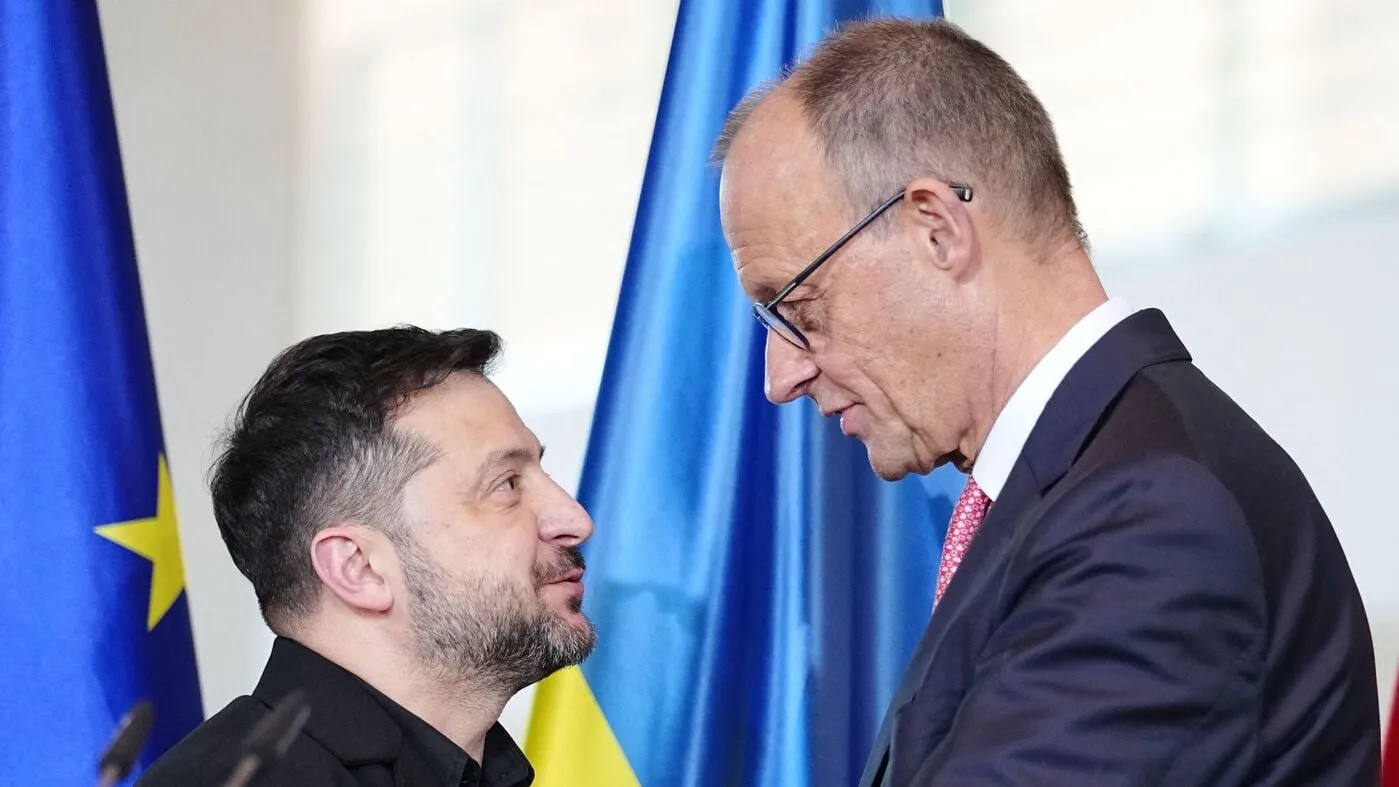
A demand for wider burden-sharing
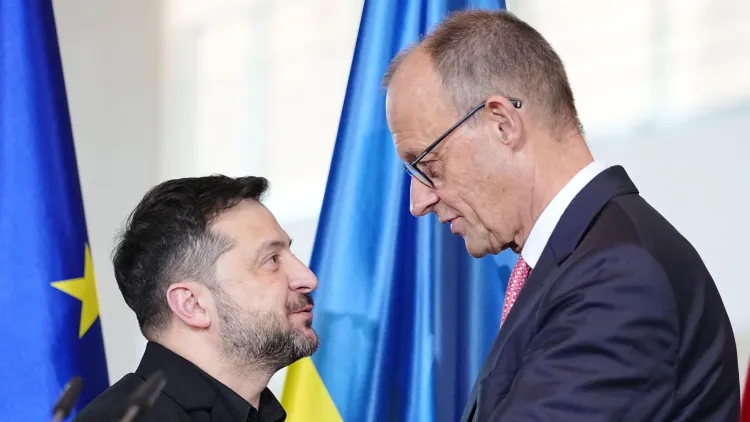
In the letter, obtained by Deutsche Presse-Agentur, Merz called for every member state to make a fair contribution, with no exceptions. He described that commitment as essential both to resolving Ukraine's funding problem and to discussing other issues with financial implications, indirectly threatening to block those talks.
Merz argued that support for Ukraine and the sharing of its costs were matters of Europe's indivisible security. He asked Costa to give Ukraine financing priority at the informal EU summit in Dublin on Friday, November 13.
Germany is by far Ukraine's largest financial supporter within the EU, underpinning Merz's push to distribute the burden more widely. He also wants member states to agree on reliable, multiyear support through negotiations on the next EU budget. The bloc aims to reach agreement on the overall financial framework by the end of the year.
What Ukraine needs and what is already committed
The European Commission estimates Ukraine's financing shortfall for next year at €70 billion and says the EU should cover €45 billion of it. Member states also expect contributions from countries including the United Kingdom, Canada and Japan, according to n-tv.de.
The EU approved €90 billion last year for Ukraine's needs in 2026 and 2027, but that funding is no longer sufficient. In October, Ukrainian President Volodymyr Zelensky asked allies for another €70 billion to sustain the country's defense against Russia. EU leaders subsequently asked the Commission to propose a way to meet the additional need.
According to The Irish Times, two-thirds of the existing €90 billion Ukraine Support Loan was allocated to weapons and defense, while the rest supported Ukraine's national budget.
That loan was backed by about €210 billion in Russian central bank assets immobilized in European financial institutions since the war began. Its terms defer Ukraine's repayment until Russia pays reparations for the destruction caused by its invasion. If Moscow refuses, the EU reserves the right to use the immobilized Russian sovereign assets, The Irish Times reported.
Opposition to new aid
Bulgarian head of government Rumen Radev and Slovak Prime Minister Robert Fico have said their countries will not participate in another round of EU financial aid for Ukraine. Hungary and the Czech Republic are also uncertain participants.
The earlier loan already included exemptions: Hungary, Slovakia and the Czech Republic secured arrangements under which they would neither pay interest nor supply national guarantees, according to The Irish Times.
Merz is due to receive Hungarian Prime Minister Péter Magyar at the Chancellery on November 10, with Ukraine aid expected to feature prominently in their discussions.
Berlin is also seeking a change in how future EU aid is approved. According to a German government official cited by n-tv.de, it wants a qualified majority of member states to be sufficient, replacing the current unanimity requirement.
Ukraine joins a crowded summit agenda
The Dublin summit was initially intended to focus on artificial intelligence. Before Merz's request to discuss financing, Italian Prime Minister Giorgia Meloni had already secured time for leaders to address the EU's approach to upcoming peace talks, according to the Kyiv Independent.
The financing push comes as Ukrainian and Russian negotiating teams meet in Abu Dhabi this week for US-brokered peace talks, their first such discussions in months. European officials are in the Emirati capital but are not expected to join the trilateral format, The Irish Times reported.
A separate EU leaders' meeting in Brussels on November 26-27 is being prepared to discuss the 2028-2034 budget, according to the Kyiv Independent. The Irish presidency of the Council of the EU has proposed a seven-year budget of roughly €1.826 trillion, about €159 billion below the Commission's original draft. Merz rejected that proposal within hours of its publication in mid-October, n-tv.de reported.