A push to share the cost
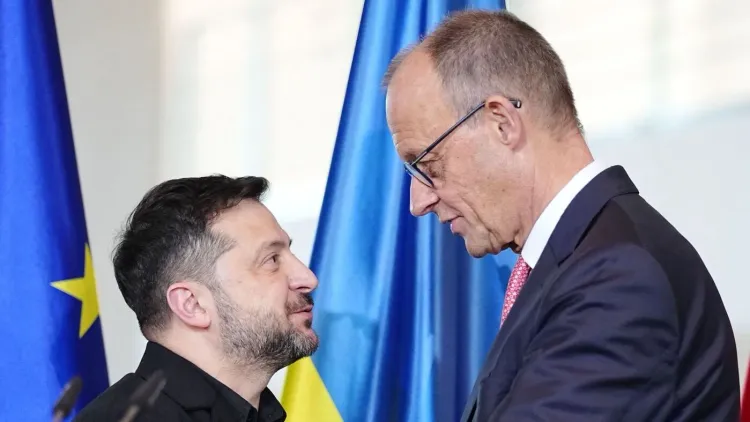
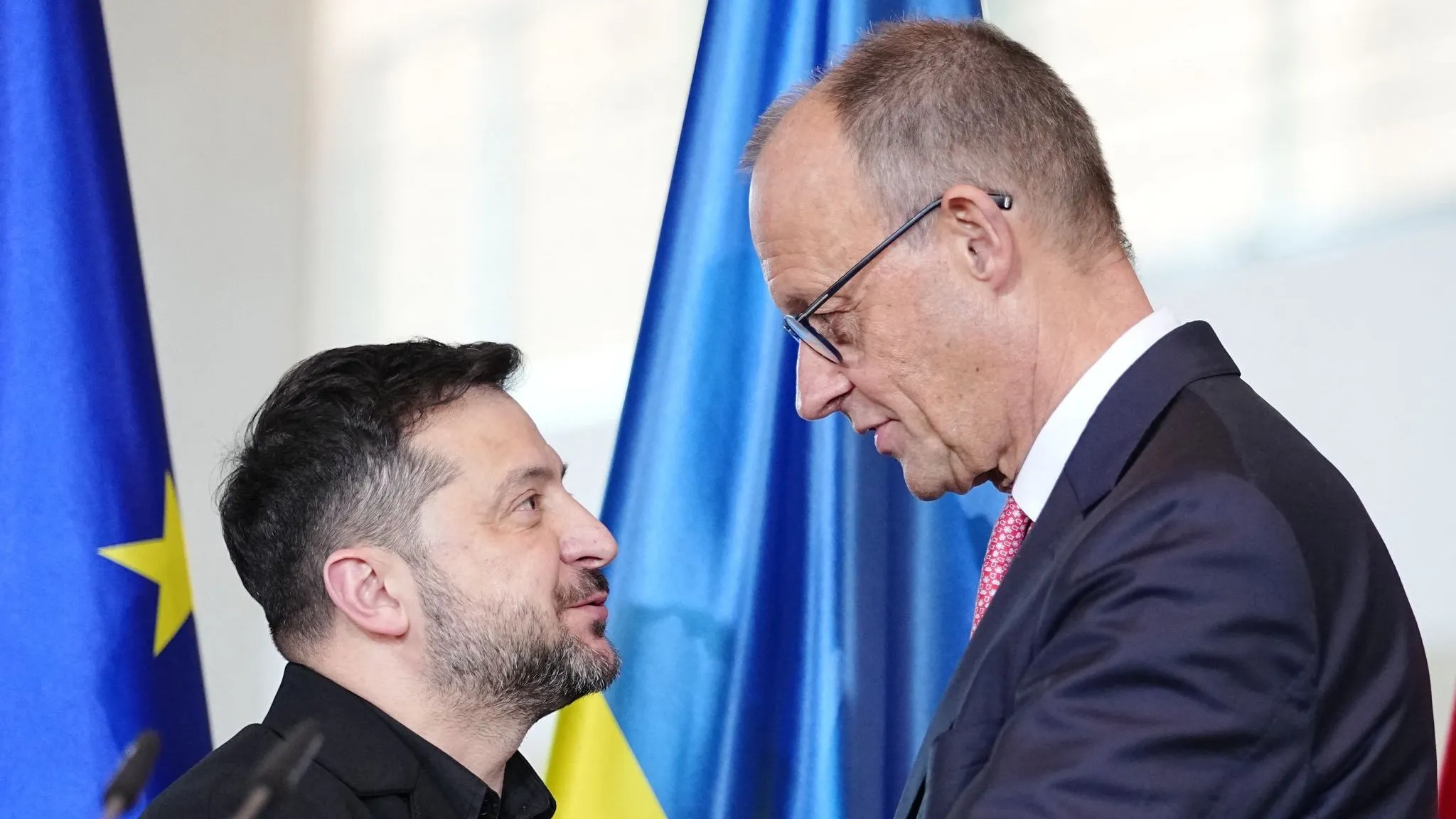
Merz, a Christian Democrat, told Costa that a collective commitment was essential both to resolving Ukraine's funding shortfall and to discussing other matters with financial consequences. The wording amounted to an indirect threat to block other financial decisions, according to WirtschaftsWoche. The German Press Agency has seen the letter.
Rapporteur, which also reviewed the letter, said it was dated November 6, 2026, and was also sent to European Commission President Ursula von der Leyen. Merz argued that supporting Ukraine was a matter of indivisible European security and that responsibility for paying for that support should be shared.
Germany is by far Ukraine's largest financial supporter within the EU, a position that underlies Merz's demand for broader contributions. According to Kiel Institute figures cited by Rapporteur, Germany has provided nearly €31 billion in financial support since the war began. It ranks first in cash terms among EU countries, but ninth when contributions are measured against GDP.
Opposition to new aid
Bulgarian head of government Rumen Radev and Slovak Prime Minister Robert Fico have said their countries will not participate in new EU financial assistance for Ukraine. Hungary and Czechia are also considered uncertain participants.
There are already exemptions from the existing €90 billion EU loan. Rapporteur reported that Hungary, Slovakia and Czechia secured opt-outs, leaving the other 24 members to cover roughly €3 billion in annual interest payments. Their shares are based on the size of their economies.
Merz is scheduled to receive Hungarian Prime Minister Péter Magyar at the Chancellery, with Ukraine aid expected to feature prominently in their talks, according to WirtschaftsWoche.
What Ukraine needs in 2027
The European Commission has put Ukraine's funding shortfall for next year at €70 billion, with the EU expected to supply €45 billion, WirtschaftsWoche reported. In October, Ukrainian President Volodymyr Zelenskyy requested an additional €70 billion from allies to sustain Ukraine's defense against Russia. EU leaders subsequently asked the Commission to propose how to meet the additional need.
A November 2, 2026, analysis by the Carnegie Endowment for International Peace said EU officials estimated a 2027 shortfall of up to €70 billion beyond the existing Ukraine Support Loan. About €40 billion would be needed for defense and €30 billion for budget support.
The EU approved the €90 billion loan last year for 2026 and 2027, but that funding is no longer sufficient. Carnegie said €60 billion was allocated to military spending and €30 billion to budget support. About €15 billion had been disbursed by mid-October 2026.
Dublin talks and longer-term funding
Merz asked Costa to make Ukraine financing a priority at the informal EU summit in Dublin on Friday, November 13. According to the Kyiv Independent, the meeting was originally intended to focus on artificial intelligence. Italian Prime Minister Giorgia Meloni had already secured time to discuss the EU's approach to upcoming peace talks before Merz sought a discussion of financial support.
Beyond the immediate shortfall, Merz wants negotiations on the EU's next long-term budget to deliver reliable, multiyear funding for Ukraine backed by every member state. The EU aims to reach agreement on the full financial framework by the end of the year.
Carnegie reported that the Commission's proposed 2028-2034 Multiannual Financial Framework totals almost €2 trillion. The initial proposal sets aside €100 billion for Ukraine as the EU's principal source of nonmilitary support.
Earlier efforts to use Russian assets
Merz previously sought another way to finance Ukraine. In 2025, he advocated pressuring Belgium to let the EU expropriate €200 billion in immobilized Russian assets, including through the Financial Times, according to the Kyiv Independent. That effort ultimately failed.
Carnegie said about €210 billion in Russian sovereign assets are immobilized in the EU, most of them held by Euroclear in Belgium. A mechanism drawing on windfall profits from those assets had resulted in Euroclear transferring €8 billion to the EU for Ukraine by the time of its November 2 analysis.
A proposal to finance a new "reparations loan" directly with frozen Russian assets was shelved after opposition from Belgium, France, Hungary, Italy and Slovakia, Carnegie reported. Member states agreed to joint borrowing instead.