Republicans defend narrow congressional majorities
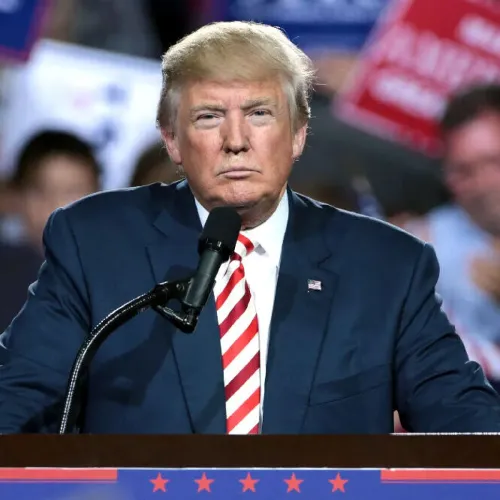
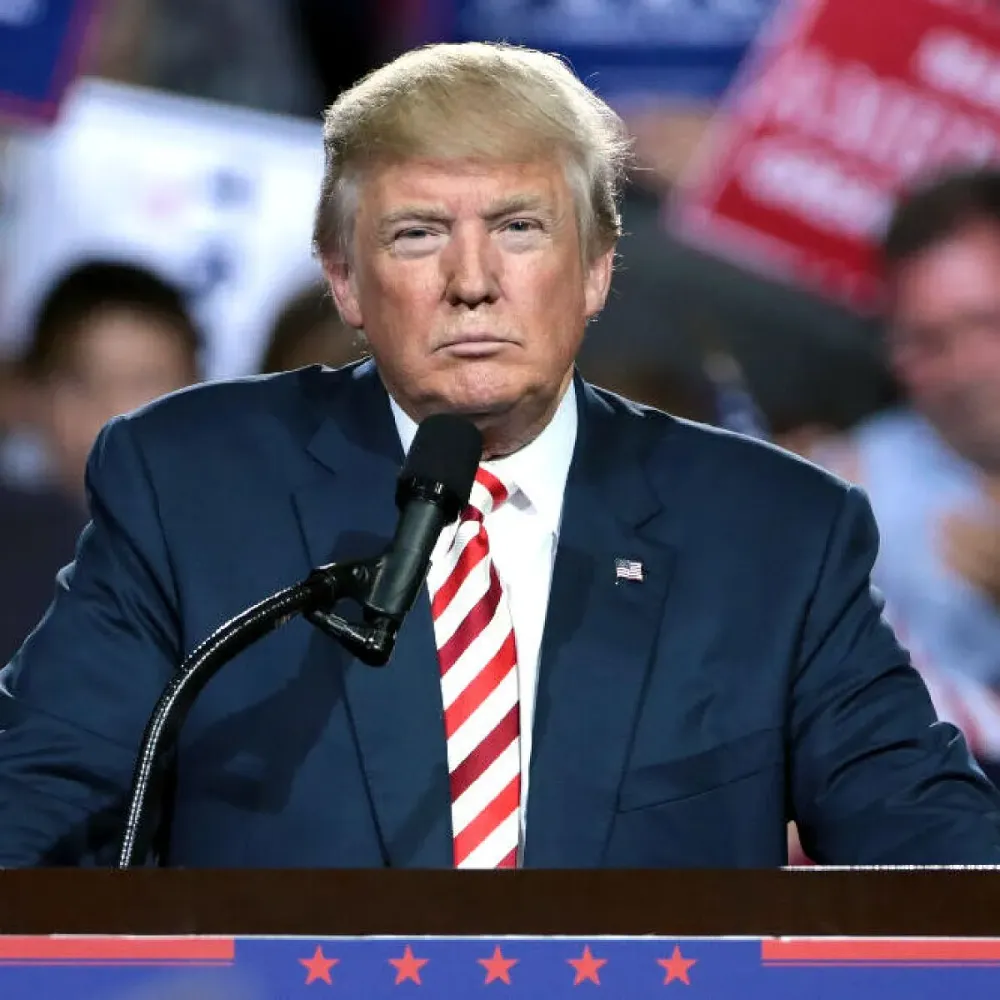
The ARIVA.DE analysis puts Trump's approval rating at 31% and describes his low popularity as a threat to Republican control of Congress. Its market outlook is conditional: an election setback could encourage a diplomatic push, but neither a new Iran agreement nor a subsequent rally is presented as certain.
Ahead of the November 3, 2026 vote, Republicans held 53 Senate seats to Democrats' 47 and a 219-214 advantage in the House, according to NBC News. Democrats needed net gains of four seats in the Senate and three in the House to take control.
June's agreement offers a market precedent
The proposed diplomatic opening centers on restoring normal oil transport through Hormuz. The ARIVA.DE analysis argues that an agreement would influence energy prices and support financial markets.
Markets reacted sharply to an earlier breakthrough. S&P Global reported that news of a US-Iran framework deal on June 15, 2026, sent ICE August Brent futures down 4%, or $3.62 a barrel, to $83.71. NYMEX July light sweet crude lost 4.8%, or $4.03 a barrel, to $80.85.
Two days later, Trump and Iranian President Masoud Pezeshkian signed a memorandum of understanding declaring the removal of the US naval blockade, according to the Congressional Research Service. Iran committed to arranging safe passage for commercial vessels through Hormuz "with no charge, for 60 days only." After renewed Iranian attacks, the United States reinstated the blockade in early August 2026.
The energy supplies at stake
The scale of trade through Hormuz explains its significance for energy markets. A Congressional Research Service report updated August 7, 2026, estimates that about 20 million barrels of oil a day passed through the strait in 2025. That represented roughly 25% of global seaborne trade in crude oil and petroleum products. The waterway also carried about 19% of the world's liquefied natural gas.
Emergency reserves were already being tapped earlier in 2026. In March and April, the International Energy Agency began a coordinated release totaling 400 million barrels of crude and refined products from 32 member countries' reserves, the report says. The United States announced that it would supply 172 million barrels of crude over 120 days.
Shipping and production obstacles
A July 8, 2026, Council on Foreign Relations analysis identifies a financial incentive behind Iran's interest in controlling Hormuz: Iranian officials believe it could bring in as much as $40 billion annually, roughly matching the country's yearly oil export revenue in recent years.
The same analysis estimated that about 80 mines remained in the main navigation areas as of July 2026, leaving very few safe routes through the strait.
Restoring shipping would not resolve the damage to energy production facilities. According to the Council on Foreign Relations, repairs to QatarEnergy's Ras Laffan LNG facilities following the 2026 conflict are expected to take up to five years. The Congressional Research Service says a prolonged Ras Laffan outage would keep roughly 19% of global LNG off the market.
Stocks cited in the analysis
The ARIVA.DE article lists BASF at €53.14, down 0.30%; Shell at €48.565, up 0.32%; and ExxonMobil Holdings at $187.25, unchanged.