A seat at the table
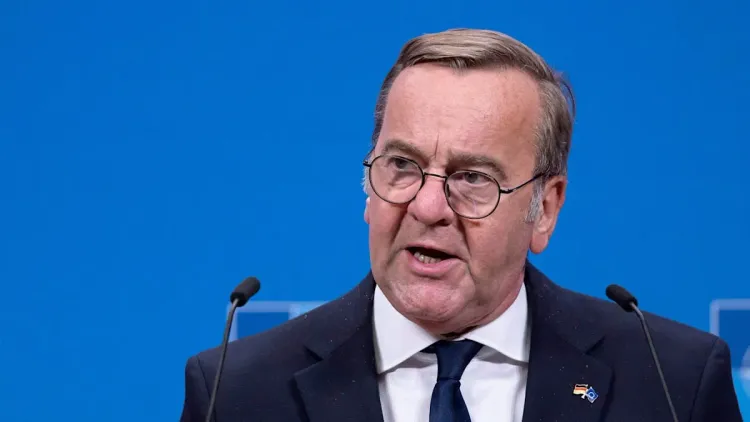
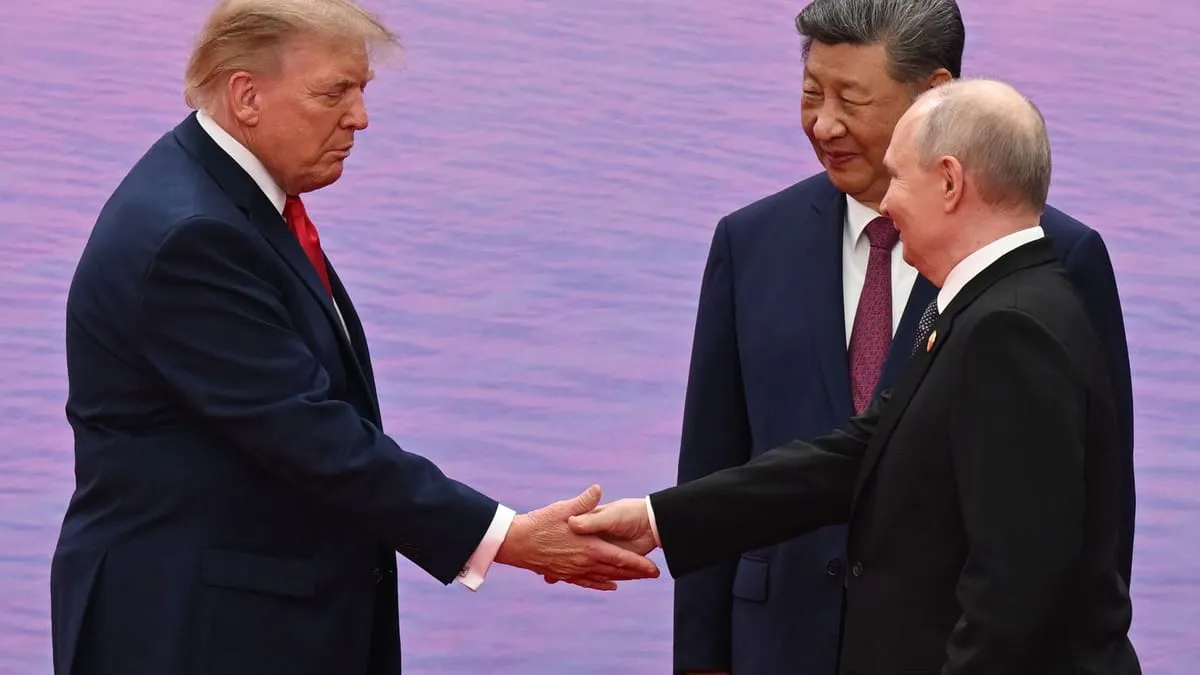
Speaking to t-online at a BMW Foundation Herbert Quandt conference, Hodges called Trump's decision a serious mistake. He said Putin wants to negotiate as an equal alongside the US and Chinese presidents even as he prepares for a brutal winter of war.
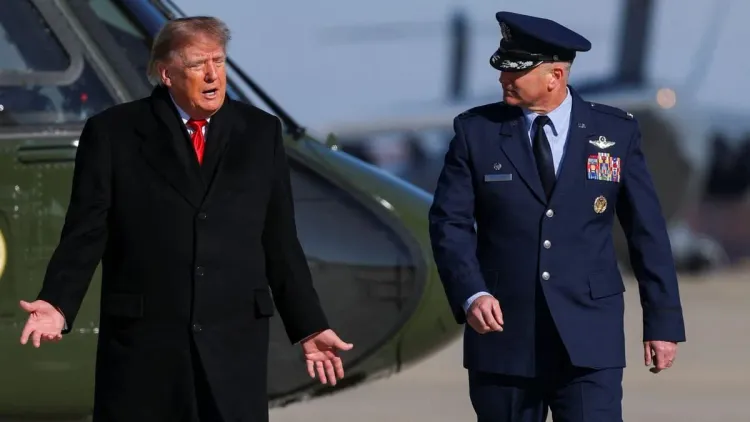
China confirmed that the leaders would meet Thursday, November 19, 2026, during the APEC summit in Shenzhen. According to CNBC and RTE, it will be the first trilateral summit of the US, Russian and Chinese leaders; previous talks among the three powers have been bilateral.
The prospect has prompted comparisons with the 1945 Yalta Conference. Ukrainian President Volodymyr Zelensky warned of a possible 21st-century "redistribution of spheres of influence." Russia rejected the Yalta analogy as "games of political scientists," while saying the summit would significantly affect global affairs.
Hodges, a retired three-star general who commanded US forces in Europe from 2014 to 2017, had warned early about Russia's expansionist policies. He argued that Moscow would negotiate seriously only when Putin faced still higher costs for continuing the war, saying the Russian leader responds to strength rather than goodwill. He also faulted Europe's response since the full-scale invasion, attributing Putin's gains to Western indecision rather than Russian strength.
Support for Ukraine's military campaign
Hodges praised Ukraine's armed forces and defense industry, saying their progress in developing and improving weapons had exceeded what he once thought possible.
He also defended the Ukrainian army's destruction of the bridge connecting mainland Russia to Crimea, which Russia illegally annexed in 2014. Crimea is central to Putin's vision of Russia as a great power, Hodges said, and inflicting severe damage on the Kerch Bridge would represent a major setback for Putin and a significant Ukrainian success.
Hodges supported Ukrainian drone strikes against oil facilities and other infrastructure deep inside Russia. He argued that attacks should hit the revenue-generating parts of Russia's war economy.
Disagreement over the agenda
Ukraine's place in the Shenzhen talks remained disputed. CNBC reported that the White House wanted Trump to concentrate on nuclear nonproliferation and the Middle East war, including Iran, and that he was not expected to raise Russia's war against Ukraine. Moscow, by contrast, had sought to make Ukraine the central topic. Analysts identified that disagreement as the summit's main obstacle.
Kremlin spokesman Dmitry Peskov said the trilateral session was scheduled to last one hour. US and Russian officials also said Trump would meet separately with Putin and Xi. Russian officials cautioned that full-scale bilateral negotiations were not planned.
The nuclear discussions come amid large differences in the countries' arsenals. The peace research institute SIPRI puts China's stockpile at about 600 warheads, compared with more than 5,000 each for the United States and Russia, but says China is expanding its arsenal faster than any other country. According to AFP, Beijing has long demanded US and Russian reductions before agreeing to talks about its own stockpile.
Trade was also expected to feature in Shenzhen, with a US-China truce due to expire in January 2027. CNBC reported that analysts generally anticipated an extension despite mounting friction. Shortly before the summit, Washington imposed additional limits on Chinese access to advanced AI chips from companies including Nvidia, and Beijing promised retaliation, according to RTE.
Congress and Germany
Hodges viewed the Democrats' success in the US midterm elections as encouraging for Ukraine and NATO. He said Congress now had an opportunity to exert greater influence over foreign policy, including through its control of the federal budget.
His assessment of Germany was more critical. He said Germans often complained despite enjoying prosperity, a functioning democracy and a politically engaged younger generation, leaving them better off than much of the world. His advice to Chancellor Friedrich Merz of the CDU and those directing German foreign policy was to complain less and take more action.