Far-right surge threatens political order
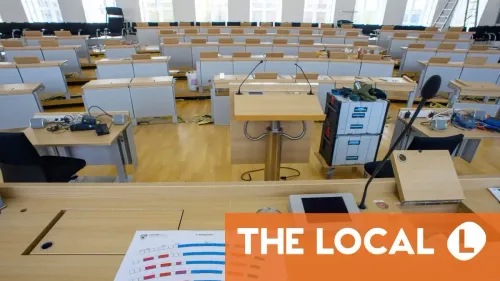
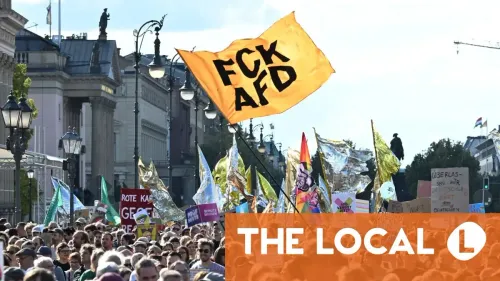
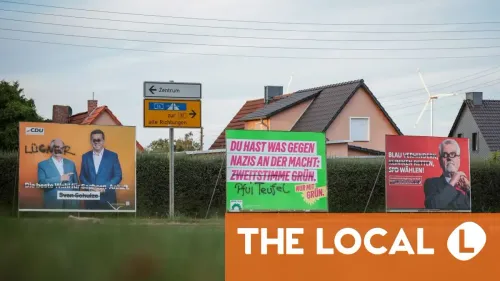
The most immediate challenge comes on September 6th, when voters in Saxony-Anhalt head to the polls in what could prove a watershed moment for German democracy. Current polling suggests the far-right Alternative for Germany (AfD) may secure more than 40 percent of the vote—potentially enough for an absolute majority that would allow the party to govern alone.
The AfD, classified by the state's domestic intelligence agency as a right-wing extremist organisation, currently leads the governing CDU by 18 percentage points. Such a victory would deal a severe blow to the federal coalition government of the CDU, CSU and Social Democrats, and test the resolve of mainstream parties who have vowed never to collaborate with the AfD under their so-called Brandmauer firewall policy.
Further state elections follow on September 20th in Berlin and Mecklenburg-Western Pomerania. In Berlin, the far-left Die Linke is polling at 20-22 percent, with the AfD and CDU close behind at around 18 percent each. In Mecklenburg-Western Pomerania, the AfD leads with 36 percent, followed by the SPD at 29 percent.
Reform deadlock continues
Despite months of negotiations, the government remains mired in disputes over critical reforms needed to stabilise the pension system, reduce bureaucracy, and revitalise the economy. Parliament recently approved a health insurance austerity package introducing higher co-payments for medicines, restrictions on free family coverage for spouses and partners, and capped reimbursements for doctors and hospitals.
However, major disagreements persist over pensions, a proposed sugar tax, and how to address funding shortfalls. Merz has set an end-of-year deadline for passing pension reform, while major tax changes aimed at supporting lower-income earners are scheduled to take effect in January 2027.
Budget crisis looms
When parliament reconvenes in the week beginning September 7th, Finance Minister Lars Klingbeil will present a budget proposal calling for record new borrowing of €118.7 billion for 2027. Including debt-financed special funds for the Bundeswehr infrastructure and climate neutrality, the total rises above €200 billion.
The government plans cuts to parental allowance, housing benefit, child support advances and the climate fund. The medium-term outlook appears even more dire, with funding shortfalls projected to reach €22 billion in 2028, €38 billion in 2029, and €47 billion by 2030.
Chancellor's popularity plummets
Recent polling by INSA for Bild placed Merz last among German politicians in public approval, behind even his own party colleague, Economic Affairs Minister Katherina Reiche. The survey designated him as Germany's most unpopular politician, with a majority of Germans doubting he will remain chancellor until the next nationwide election in 2029.
Defence Minister Boris Pistorius of the SPD topped the popularity rankings, followed by Baden-Württemberg state premier Cem Özdemir of the Greens, North Rhine-Westphalia state premier Hendrik Wüst of the CDU, and Manuela Schwesig of the SPD. Coalition tensions over climate policy and reform measures continue to simmer.
Climate crisis demands urgent response
The extreme weather events that devastated Germany this summer have left lasting impacts on agriculture, infrastructure and public health. Rivers have fallen to critically low levels, disrupting crucial navigation routes, while wildfires scorched large areas and heat-related deaths exceeded 14,000.
Critics attacked Merz for his silence on these issues throughout the summer months. Upon returning to work, he visited Hürtgenwald in western Germany to thank emergency crews who contained a major wildfire on the Belgian border.
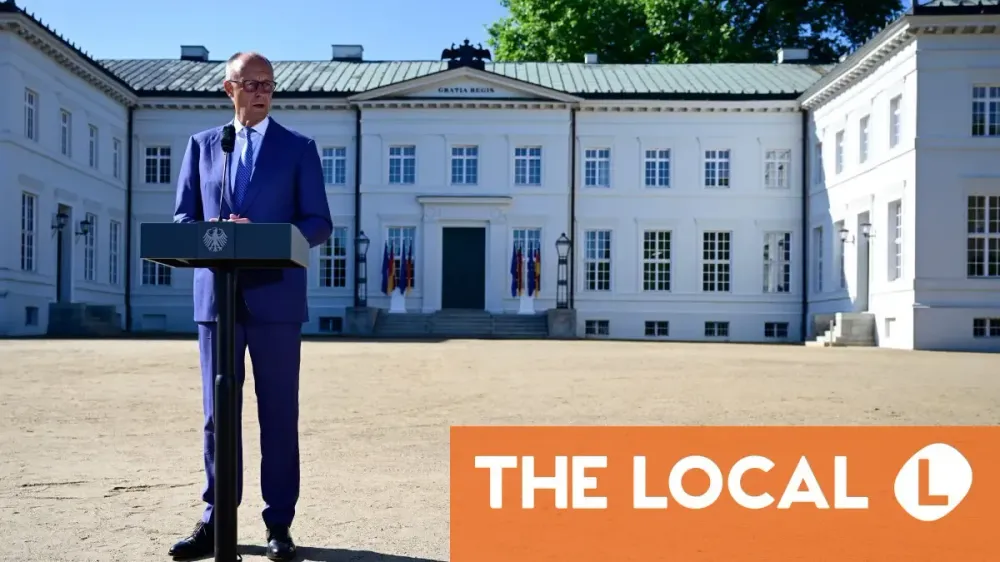
At a cabinet retreat outside Berlin on Tuesday, Merz acknowledged Germany had suffered significant damage and pledged to curb climate change while better adapting to its consequences. Whether the government will act with the urgency demanded by the Green party and environmental advocates remains uncertain.