Which vehicles are affected
Campaign 93MF covers 62,927 vehicles worldwide, including 7,112 in Germany, according to German Federal Motor Transport Authority (KBA) recall data reported by nextmove. The listed production period is July 13, 2022, through June 6, 2025.
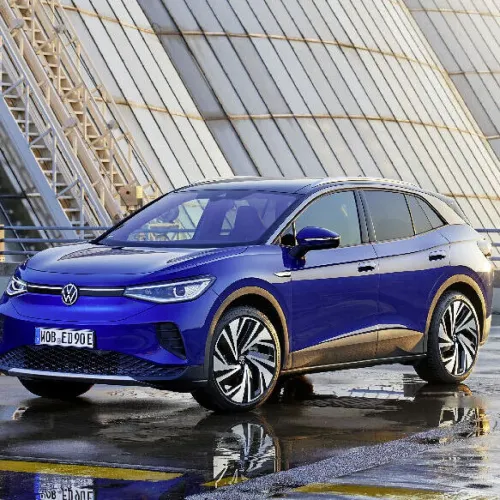
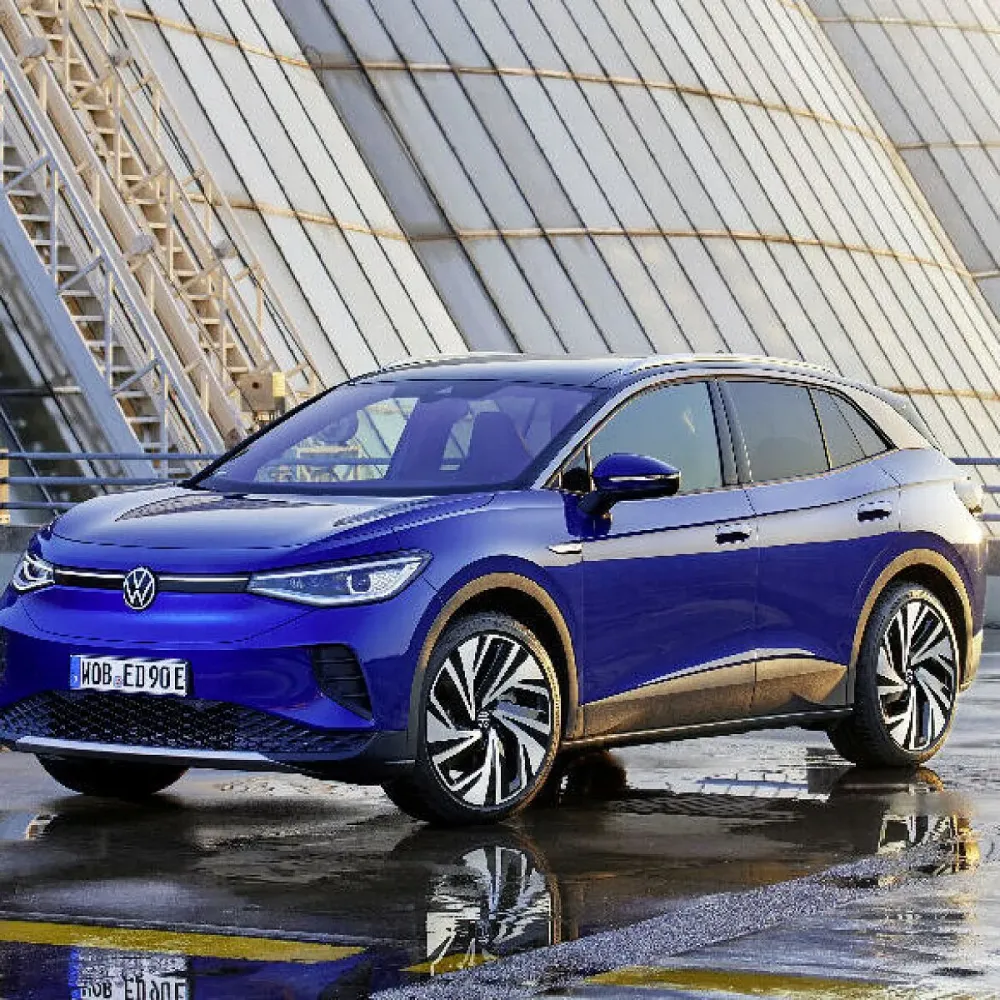
ADAC identifies the affected models as the Volkswagen ID.3, ID.4, ID.7 and ID. Buzz, along with the group's Cupra Born. Volkswagen's Danish recall information also lists the ID. Buzz Cargo. Škoda models are not named, while Audi was still checking whether its vehicles were affected, according to ADAC.
Charging restrictions and the battery defect
Volkswagen attributes the problem to production deviations at a supplier. KBA and VW statements reported by nextmove and ADAC describe overlapping cells in the high-voltage batteries that do not meet specifications. These cells can overheat during fast charging and, in rare cases, cause a fire.
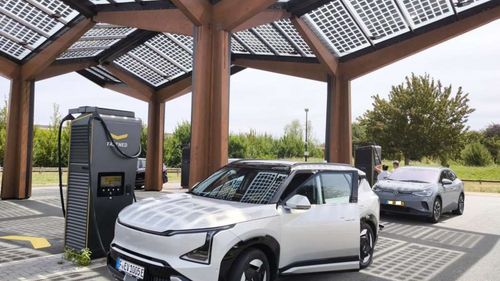
The outdoor-only charging requirement is intended to avoid putting buildings, garages and other vehicles at risk if a battery catches fire, ADAC says. Volkswagen is also requiring warning stickers, according to finanznachrichten.de.
Owner reports compiled by nextmove indicate that VW has imposed the 80% cap through an over-the-air software update, rather than leaving it as a recommendation. Although owners can select a higher limit, the setting returns to 80% and the vehicle charges only to that level.
Workshop checks and a planned software update
Volkswagen's Danish recall information outlines two stages: an approximately one-hour battery condition check at an authorized workshop, followed by a software update expected in the first quarter of 2027. The charging restriction is to remain in place until the update is installed.
That timetable remains a plan. The finanznachrichten.de report says a final software solution has not yet been settled, nor have details about replacing affected battery modules.
The report also notes that owners could seek legal assessments of defect-related claims. ADAC says a temporary restriction on battery use may be necessary and legally permissible when there is a specific hazard, but it must not become permanent. Manufacturers should offer appropriate compensation when customers face prolonged, significant limits on battery capacity, range or use, the organization says.
Earlier campaign and the US recall
The October 2026 campaign follows another battery-related recall in March 2026, when VW and Cupra called in more than 90,000 vehicles worldwide, including about 28,000 in Germany, according to ADAC.
In the United States, Volkswagen filed recall 26V630 with the National Highway Traffic Safety Administration on September 30, 2026, covering more than 22,500 ID.4 vehicles from model years 2023 through 2026. Notebookcheck reports that the root cause in the US recall remains unknown and that VW estimates about 0.1% of those recalled vehicles contain the defect.