The season's defining questions
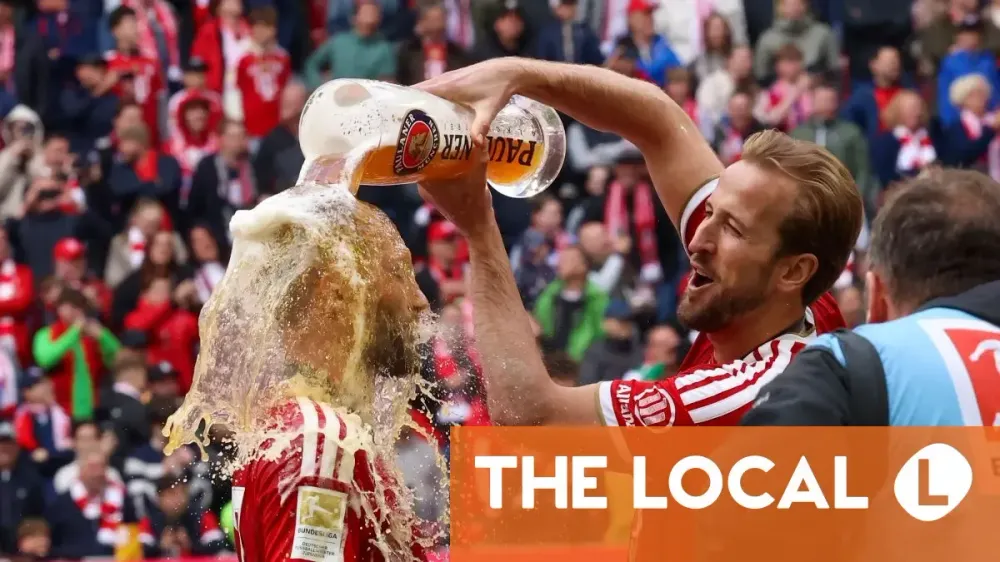
The perennial question looms largest: can anyone prevent Bayern Munich from claiming another championship? The Bavarian giants secured their 34th Bundesliga title last season with a 4-2 victory over VfB Stuttgart on Matchday 30, adding to their already formidable legacy. Bayern's dominance runs deep in the league's history, having won 11 consecutive titles from 2012-13 through 2022-23—a record streak in Europe's top five leagues.
That historic run was briefly interrupted when Bayer Leverkusen claimed their first-ever Bundesliga championship in 2023-24, but Bayern immediately reclaimed the crown for the following two seasons. This pattern raises the stakes for this year's title race.
Most observers expect Bayern to remain favorites, with Borussia Dortmund and Bayer Leverkusen viewed as the primary challengers. However, SC Paderborn coach Ralf Kettemann offered a contrarian prediction, naming VfB Stuttgart as his pick for the title.
Further down the table, uncertainty abounds. Schalke 04 returns to the top flight after capturing the second division championship, ending a three-year absence from the Bundesliga. SC Paderborn also makes its return, while SV Elversberg prepares for its maiden voyage at this level.
For many neutral supporters, Elversberg embodies one of German football's most appealing qualities: a community club from the small Saarland municipality of Spiesen-Elversberg sharing the stage with giants like Bayern Munich and Borussia Dortmund. The club could also serve as a development ground for future stars, with on-loan prospects Francis Onyeka and Noah Darvich expected to feature regularly.
Young talent features prominently across the league. Dortmund supporters are particularly excited about Greek international Konstantinos Karetsas, a gifted teenage playmaker who arrived from Belgian side KRC Genk.
The expanding women's game
The Frauen-Bundesliga enters a pivotal season with its newly expanded format. Following a decision by the German Football Federation (DFB) in June 2024, the league now features 14 clubs rather than 12, increasing the schedule from 132 to 182 matches. Last season marked the first campaign with this expanded structure, part of broader efforts to build on rising attendances, growing television audiences and momentum from the national team's success.
The central question mirrors the men's competition: can Bayern Munich and VfB Wolfsburg maintain their traditional dominance, or will rivals like Eintracht Frankfurt mount a serious challenge for the title?
Watching from home
Following German football from home proves straightforward, though comprehensive coverage requires multiple subscriptions. Sky Deutschland and its streaming service WOW broadcast Friday night matches, all Saturday afternoon fixtures and the Saturday evening featured match. DAZN holds rights to Sunday matches and the Saturday afternoon conference broadcast.
For newcomers choosing a single subscription, Sky or WOW offers the better value with the largest number of matches, including the traditional Saturday afternoon kickoffs.
Free-to-air options remain available. The season opener between Bayern Munich and VfB Stuttgart on Friday evening will be shown on free television, with selected matches throughout the season appearing on channels including Sat.1 and RTL. ARD's Sportschau highlights program airs Saturdays from 6:30 pm, while ZDF's Sportstudio provides additional coverage later Saturday evenings. Sunday highlights are also freely accessible.
In the women's game, every Frauen-Bundesliga match streams live through MagentaSport and DAZN, with selected games appearing on free-to-air broadcasters including Sport1, ARD and ZDF.
Most German neighborhoods have at least one establishment showing Bundesliga matches, offering an alternative to home subscriptions. The caveat: many venues are partisan, and supporting Bayern Munich in a Dortmund bar, for instance, would be poorly received.
The matchday experience
Experiencing German football in person remains unmatched. Demand for men's Bundesliga tickets stays extraordinarily high, with many clubs routinely selling out their stadiums. Last season saw over 12.7 million tickets distributed, with an average attendance of 41,562 per match—a 9.1 percent increase from the previous campaign. The safest approach involves purchasing through official club ticket shops or authorized resale platforms.
Borussia Dortmund's Signal Iduna Park led the league last season with nearly 80,000 spectators per home match in their 81,365-seat venue, underscoring the exceptional atmosphere at Germany's largest club stadium.
Women's matches offer cheaper, more accessible alternatives, making them particularly attractive for families, newcomers and anyone seeking German football culture without significant expense.
What makes German football distinctive
German football maintains its position as one of the country's most important cultural institutions. Last season saw stadiums reach more than 96 percent capacity on average. At several clubs, season-ticket waiting lists stretch for years.
Football in Germany maintains close ties to local identity, with clubs often representing a city, neighborhood or entire region. This culture connects to Germany's famous 50+1 rule, introduced in 1998, which requires club members to retain at least 50 percent plus one vote of voting rights. This regulation ensures fans maintain ultimate control over their clubs rather than external investors.
Many supporters argue the rule helps preserve stronger fan voices and affordable ticket prices. Last season's average Bundesliga ticket cost €30.77, with standing tickets averaging just €12.27 and seated tickets €37.14—figures that support claims of accessibility compared to other European leagues.
The rule also protects Germany's distinctive standing-terrace culture, creating matchday experiences that can feel markedly different from other countries and vary significantly between stadiums. Borussia Dortmund's famous Yellow Wall remains one of football's great spectacles, while Union Berlin's intimate stadium creates a legendary sense of community.
Choosing your club
For newcomers, club selection often connects to where you settle in Germany, though a particular story, color scheme or player might call from elsewhere in the country.
Bayern Munich appeals to those who enjoy success and world-class players. Dortmund offers a spectacular stadium atmosphere that proves difficult to match. Union Berlin tends to attract fans seeking community and tradition, while Schalke provides one of Germany's most passionate fan cultures. Many newcomers gravitate toward clubs with distinctive identities, from cosmopolitan Frankfurt to fan-focused St. Pauli.
There's no wrong answer. Often the best approach involves attending a couple of matches to see what resonates. You might discover it's not for you—or you might find yourself joining the chants and celebrating with strangers in the stands. Within weeks, you could be discussing promotion battles, transfer rumors and refereeing decisions with the best of them. That transformation represents the real joy of football in Germany: it's not merely a sport to watch, but a community you can join.