
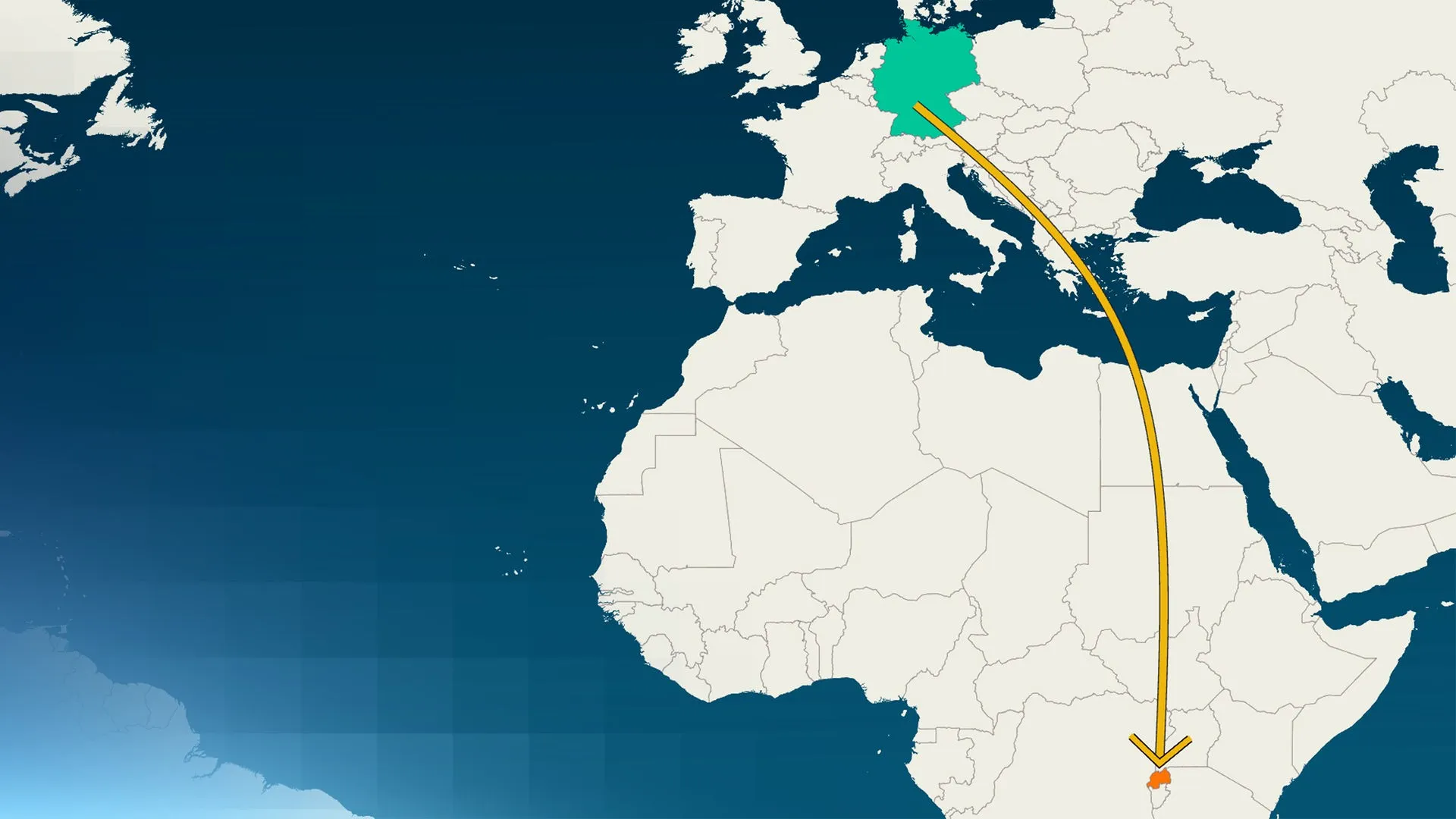
A pilot involving about 40 people from Germany
German Interior Minister Alexander Dobrindt outlined the proposal on November 16 alongside politicians from Austria, Denmark, Greece and the Netherlands. Rwanda's interior minister also attended the presentation, ZDFheute reported.
Deutschlandfunk reports that the five countries initially intend to deport around 100 people to Rwanda, including roughly 40 from Germany. Germany's 2027 federal budget earmarks 20 million euros for the pilot, according to n-tv.
SPD critics question that expense given the small number of people involved. The party's domestic policy specialist Fiedler also criticized the choice of Rwanda, saying the country is ruled by a dictator.
Who would be sent to the hubs
The proposed hubs would receive only people whose asylum applications have been rejected and who have exhausted their legal options to remain, according to Deutschlandfunk. Asylum claims would not be processed at the centers, a distinction from the failed British Rwanda scheme.
Those sent to Rwanda would not be interned and are supposed to be free to move around and work there, n-tv reported on November 16.
The proposal comes against a backdrop of an estimated 240,000 people in Germany with a legally enforceable obligation to leave, according to Deutschlandfunk. The broadcaster reports that deportations often do not proceed because people's home countries refuse to take them back.
Legal conditions and the British precedent
The EU established a legal basis for deportation centers in third countries in October, ZDFheute reports, describing the plans as lawful but controversial. Deutschlandfunk also reports that the European Court of Justice has upheld such centers outside the EU on condition that people retain access to legal and language assistance and can maintain contact with their families and authorities.
Britain's earlier proposal included sending some people to Rwanda before their asylum applications had been examined. That scheme failed. According to Perspektive Online, the UK Supreme Court ruled in November 2023 that Rwanda was not a safe third country. A subsequent effort to remedy the scheme also failed, and it was stopped in July 2024.
Amnesty International has warned that the planned hubs in Rwanda and Uganda could become places where human rights lack protection, according to Perspektive Online.
ZDFheute live is examining the proposed deportations, their justification, the number of people affected and the conditions they would face in Rwanda. Host Marc Burgemeister discusses those questions with ZDF capital correspondent Wulf Schmiese and asylum law expert Prof. Daniel Thym.
Other potential hosts and the timetable
Rwanda is one of several countries considered as possible hosts. Deutschlandfunk names Uganda, Mauritania, Uzbekistan and Ethiopia as other options under discussion, while Italy has long pursued deportation centers in Albania.
As of September 2026, the five participating states hoped to reach an agreement with a third country before the end of the year, according to migazin.de. Denmark's migration minister, Morten Bødskov, said at the time that, from Denmark's perspective, the first deportations to a partner country outside the EU could take place around the end of 2027.