Germany's fuel tax cut: What drivers can expect to save from October
Starting October 1st, German motorists will see relief at the pump as a fuel tax reduction takes effect, cutting prices by 16.7 cents per liter for both petrol and diesel. The measure responds to unprecedented fuel costs triggered by the conflict in Iran, which began when the United States and Israel launched military strikes on February 28, 2026.
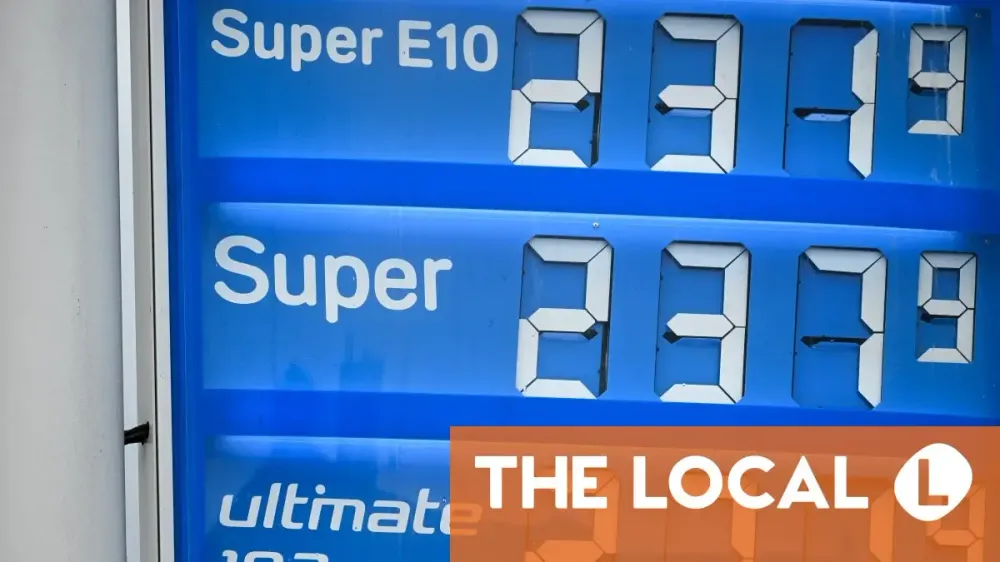
September marked a historic peak for German fuel prices. E10 petrol averaged €2.27 per liter over the month, while diesel reached €2.38 to €2.39, according to ADAC figures. These values surpassed previous monthly records by approximately 10 cents per liter.
Expected price impact
The tax reduction is designed to lower costs by 16.7 cents per liter. Based on Monday's ADAC data showing E10 at €2.276 and diesel at €2.425, pump prices could drop to around €2.11 and €2.26 respectively. However, fuel will likely remain above the two-euro threshold despite the relief measure.
To understand the scale of this reduction, Germany's current energy tax rates have remained unchanged since 2003 at 65.45 cents per liter for petrol and 47.04 cents per liter for diesel. The government also applies a 19% VAT rate and a CO2 levy of approximately 17 cents per liter on fuel purchases.
Real savings for drivers
Actual savings depend on driving habits, vehicle fuel efficiency, and crucially, whether the full discount reaches consumers. Calculations from the German Press Agency illustrate typical scenarios:
- A diesel vehicle owner driving 15,000 kilometers annually in a car consuming 7 liters per 100 kilometers could save around €44 over three months
- A petrol car owner driving 9,000 kilometers per year in a vehicle using 8 liters per 100 kilometers might save approximately €30 in the same period
These projections assume oil and gas companies pass the entire tax reduction to customers. Since fuel taxes are paid upfront by companies managing petrol stations, they benefit directly from the cut, while consumers rely on market forces to receive savings.
Lessons from previous tax cuts
Germany is not implementing this policy for the first time. The country introduced a similar fuel tax cut known as Tankrabatt from June 1 to August 31, 2022, in response to the Russian invasion of Ukraine and surging fuel prices. That measure reduced taxes by 29.55 cents per liter for gasoline and 14.04 cents per liter for diesel, including VAT savings.
Research on the 2022 tax cut revealed mixed results regarding how much savings reached consumers. Some studies found the tax reduction was completely passed through for gasoline, while other analyses identified substantially lower pass-through rates of approximately 50% for diesel and 79% for gasoline. ADAC calculations at the time similarly suggested not all discounts reached customers, raising questions about the effectiveness of such measures.
The federal government has implemented additional oversight mechanisms to address this concern. Germany's Federal Cartel Office created a special unit monitoring prices at around 15,000 filling stations nationwide in real time. Stations must report every price change within five minutes, with violations carrying fines of up to €100,000. The government also introduced a fuel price brake regulation allowing stations to raise prices only once daily at noon, while retaining unlimited freedom to reduce prices throughout the day, though this measure has faced criticism as ineffective.
War's toll on motorists
Over seven months of conflict, gasoline in Germany has averaged about 29 cents per liter more expensive than the day before the war began, with diesel up by approximately 38 cents. For a typical gasoline driver refueling 420 liters during this period, additional costs reached nearly €122, or about 60 cents more per day. Diesel drivers needing 612.5 liters faced additional costs of just under €233, slightly over one euro per day.
Budget and environmental concerns
The federal government estimates the fuel tax cut will cost €2.485 billion in lost tax revenue, split equally between federal and state budgets. This expense comes as Germany's 2026 federal budget faces significant strain, with the public deficit more than doubling to €98.8 billion in the first half of the year. Federal tax revenue fell 3.1% partly due to energy tax relief measures including an earlier fuel tax cut in May and June 2026.
Environmental organizations including BUND, Greenpeace, and the German Environment Agency have criticized the tax cut as an environmentally damaging fossil fuel subsidy. The Federal Environment Agency calculates that total environmentally harmful subsidies in Germany amount to more than 65 billion euros annually, with recent estimates suggesting the figure has risen above 85 billion euros due to energy crises. The measure primarily benefits drivers of combustion engine vehicles and offers little relief to those who do not own cars or drive infrequently.