Berlin substation fire investigated as possible sabotage amid wave of power grid attacks
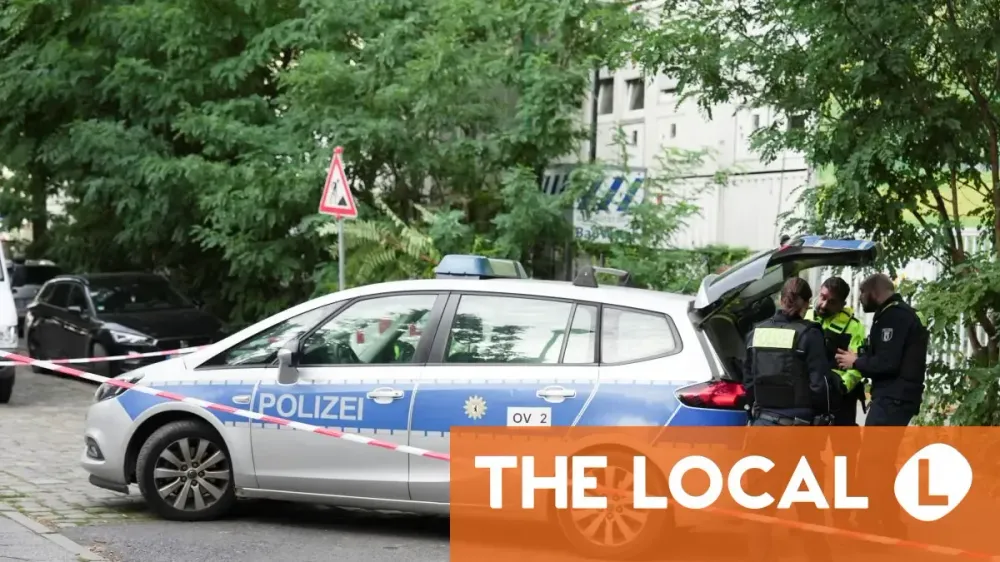
A fire damaged an electricity substation in Berlin's Moabit district early Monday morning, prompting authorities to investigate whether the incident was caused by sabotage or a technical fault. Emergency services responded to the blaze, which affected a construction site and part of the substation but did not disrupt power supply to the area.
The incident comes amid heightened security concerns as police hunt a 48-year-old suspect accused of orchestrating multiple attacks on substations across Germany last week. The suspect has sent letters to authorities claiming responsibility for the acts as a protest against the fossil-fuel industry.
German Interior Minister Alexander Dobrindt has characterized the recent wave of attacks as climate extremism, stating that authorities must assume the case involves environmental militancy directed against fossil fuel power generation. Police are working with grid operators to determine the cause of the Berlin fire.
Recent attacks on German power infrastructure
Last week, attacks targeted substations in the western state of North Rhine-Westphalia and Brandenburg in the east. At the Bergheim substation attack on September 2, five lignite power plant units with a combined capacity of 4,200 megawatts temporarily went offline, though grid operators maintained power supply and stability throughout. Investigators discovered six explosive devices at the Bergheim site.
The attacks involved sophisticated methods, with improvised explosive devices and homemade rockets launching conductive wires onto high-voltage lines to cause short circuits. Similar launch devices were found at multiple sites, with authorities reporting that the mechanisms used fireworks-style devices to shoot the wires into overhead power lines.
Suspect and investigation
Police searched the suspect's apartment in Gevelsberg, North Rhine-Westphalia, on September 4 and discovered explosive materials. Elite police units attempted to apprehend the suspect at a truck in Hambach Forest but failed to detain him. The forest has long been a symbolic site for Germany's climate movement, where activists spent years protesting plans to expand the nearby Hambach open-cast lignite mine.
Between August 4 and September 4, Germany recorded a series of police interventions at substations across North Rhine-Westphalia, Brandenburg, and Lower Saxony. Authorities have not ruled out the possibility that some incidents may involve false claims of responsibility.
Previous attacks and broader security concerns
The current attacks follow a major arson incident in January that caused a power outage affecting more than 40,000 households and 2,000 businesses in Berlin's Lichterfelde district for nearly a week, marking the longest blackout in the city since World War II. The far-left group Vulkangruppe claimed responsibility for that attack, which prompted Germany to offer a €1 million reward for information leading to arrests and federal prosecutors to launch a terrorism investigation.
Germany has committed to phasing out coal-fired power by 2038 under the Coal Phase-Out Act passed in 2020, with reviews scheduled in 2026, 2029, and 2032 to assess whether the phase-out can be completed as early as 2035. Coal's share of electricity production dropped from 23.3 percent in 2020 to 20.4 percent in 2025, while renewables increased their share to over 57 percent.
German authorities are on heightened alert for both domestic extremist threats and potential Russia-linked sabotage. On the same day as the September 2 substation attacks, Germany formally accused Russia of an attempted drone attack on Leipzig airport in August, announcing diplomatic countermeasures including summoning the Russian ambassador and closing two Russian institutions.