Waymo to Launch Robotaxi Service in Munich by End of 2027
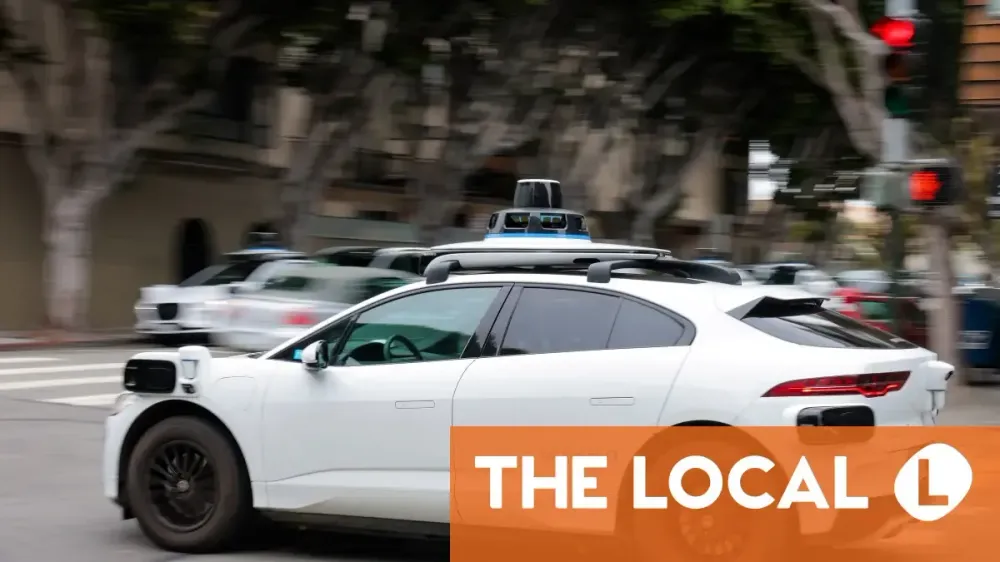
Self-driving car company Waymo announced it will launch commercial robotaxi operations in Munich by the end of 2027, representing the US firm's first venture into the European Union market.
The subsidiary of Google parent Alphabet will begin mapping Munich's streets in the coming weeks and conduct initial tests with specialist safety drivers. The company currently operates in more than 10 US cities including San Francisco, Los Angeles, Phoenix, Atlanta, Austin, Miami, Dallas, Houston, San Antonio, and Orlando, providing approximately 400,000 rides per week across its network.
Waymo's Munich launch comes as the company pursues an aggressive international expansion strategy, with plans to begin service in London by the fourth quarter of 2026 and testing already underway in Tokyo. The company raised 16 billion dollars in February 2026 at a valuation of 126 billion dollars, with the funding round led by investors including Dragoneer, DST Global, and Sequoia Capital.
Germany's regulatory framework enables expansion
Munich represents an attractive market for Waymo partly due to Germany's progressive regulatory environment. The country enacted its Autonomous Driving Act in 2021, creating a legal framework that allows Level 4 autonomous vehicles to operate in defined areas on public roads, making Germany among the first countries worldwide to enable such operations.
Tekedra Mawakana, Waymo's co-chief executive, said Munich is a world-class hub for mobility and engineering. She emphasized that earning community trust remains the company's top priority as it prepares to launch, noting plans to invest in local fleet operations and create high-skilled jobs while delivering safe, reliable service for residents and visitors.
Christian Hirte, parliamentary State Secretary in the German Transport Ministry, described autonomous driving as key to the mobility of the future. He said Germany aims to become a global leader in autonomous driving innovation and manufacturing, adding that Waymo's decision to enter the German market demonstrates the country's attractiveness and proves that regular autonomous mobility services can succeed there.
Munich launch amid automotive industry transformation
The announcement arrives as Bavaria's traditional automotive sector faces significant challenges. Munich serves as headquarters for BMW and numerous auto suppliers, but the industry is battling Chinese competition, a difficult transition to electric vehicles, and weakening demand. BMW recently announced plans to cut approximately 8,000 jobs globally by the end of 2027 through a voluntary redundancy program.
Florian Herrmann, a minister in the Bavaria state government, welcomed Waymo's decision. He said Bavaria is determined to maintain its pioneering role and become an international leader in autonomous driving, citing the region's strong automotive manufacturers and suppliers, cutting-edge research, innovative startups, and powerful artificial intelligence ecosystem.
Waymo brings substantial operational experience to Munich, having driven over 100 million fully autonomous miles on public roads in the United States. However, the company faces growing competition in Europe from Chinese robotaxi firms including Pony.ai and WeRide, which have launched trials and services in cities across Croatia and Switzerland.
Europe has generally taken a more cautious regulatory approach to autonomous vehicles compared to the United States and China, with the European Commission initially capping manufacturers at 1,500 autonomous vehicles across the entire single market. Germany's more progressive stance, combined with Munich's status as a mobility and engineering center, positions the city as a strategic entry point for Waymo's European operations.