A larger hall and a phased approval process
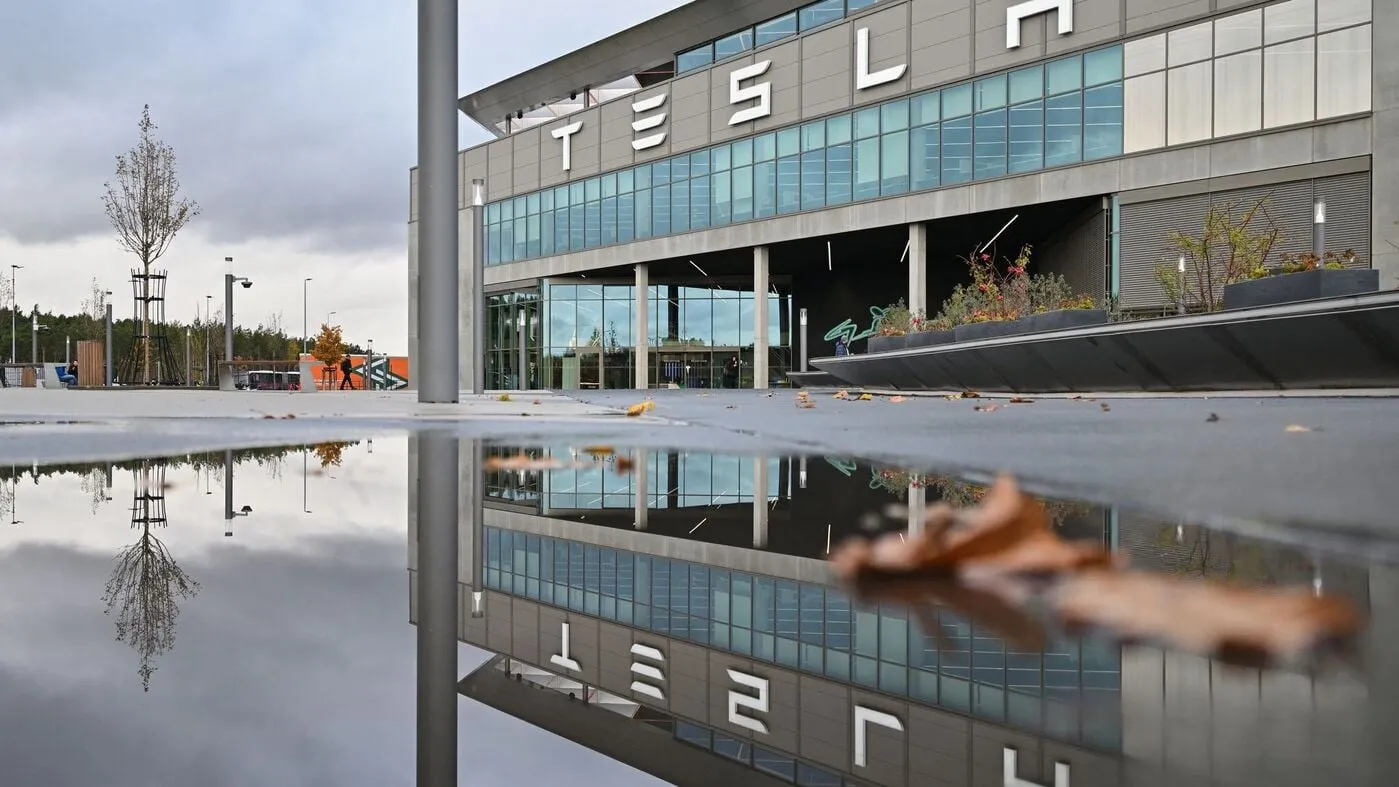
Production in the new hall is scheduled to start in 2029 with Cybercabs, according to plant manager André Thierig. The Model Y will remain in production in the existing factory complex.
The €3 billion will cover the production building, ancillary buildings and another wastewater treatment facility. Tesla plans to invest separately in technical equipment and production lines at a later stage.
The planned hall would span roughly 536,000 square meters, compared with about 219,000 square meters for the existing hall, according to rbb reporting carried by tagesschau. FAZ described the proposed building as equivalent in area to as many as 75 soccer fields.
Tesla intends to submit the building's permit application before the end of 2026, drawing on its 2023 application for the overall expansion. Tagesschau, citing rbb, reported that the project has three phases, each requiring a partial permit. The Brandenburg State Environment Agency granted the first in October 2024, covering modernization of the existing hall and additional storage and logistics space. The second centers on the new production hall; the third includes plans for a freight rail station on the site.
The announcement brings Tesla's total investment in Berlin and Brandenburg to nearly $10 billion, according to FAZ. The company also opened a development center in Berlin-Köpenick a few days earlier.
Hiring resumes as output rises
Tesla is immediately seeking several hundred employees for construction and manufacturing planning, FAZ reported. The company has not specified how many jobs the expansion will ultimately create and expects the new production operation to be more automated than the existing factory.
Tesla's latest workforce figure for Grünheide is 12,600, after employment temporarily fell below 11,000. An October tagesschau/rbb report put staffing at around 12,000 and noted that earlier plans had envisaged as many as 42,000 people working at the site over the long term.
The existing factory can produce about 375,000 electric vehicles a year, or 7,500 a week, according to FAZ. It has never fully used that capacity since production began in spring 2022. Slightly more than 200,000 Model Y vehicles were built there in 2025, though output has gradually moved toward the weekly capacity limit in recent months.
Tesla had kept its expansion plans alive during a sales slump but put them on hold pending better market conditions. Demand has since picked up, and the company has been hiring despite the difficult conditions facing Germany's auto industry. Earlier this year, Tesla also announced goals to increase Grünheide's vehicle output and expand battery-cell manufacturing.
The investment announcement follows a more cautious message from Elon Musk in February 2026. Handelsblatt reported that Tesla showed employees a video interview in which he warned that outside organizations were pushing the company in the wrong direction and said the factory would neither close nor, realistically, expand. Thierig told the Tagesspiegel that the expansion decision rests in the United States.
Water use and groundwater concerns
Environmental groups and residents have long opposed aspects of the factory and its expansion because part of the site lies in a water protection area. Tesla rejects those concerns. Thierig said the expanded operation could remain within its contractually agreed water volumes, and the company has recently reduced the plant's water consumption further.
According to rbb reporting carried by tagesschau, Tesla plans an additional water cycle and a new wastewater treatment facility that would also process sanitary wastewater. Although the larger factory and workforce would consume more water overall, the plan would avoid additional sanitary wastewater discharges into municipal infrastructure. The freshwater and wastewater volumes agreed with the Wasserverband Strausberg-Erkner are said to be sufficient for the expansion. The package also includes a dedicated electrical substation and an expansion of the water treatment plant.
Steffen Schorcht, deputy federal chairman of the environmental group Grüne Liga, told FAZ that risks to groundwater remain. He cited the planned driving of almost 40,000 foundation piles, some up to 17 meters long, as a potential source of pollutant entry and disruption to groundwater flow.
Cybercab production and road approval are separate questions
Tesla introduced the Cybercab prototype to a wider European audience in late 2024. The two-seat robotaxi is designed to operate without a steering wheel or pedals. Musk said in the spring that it would probably account for most Tesla production over the long term, reasoning that 90% of miles are traveled with only one or two people in the car.
There is no clear timetable for allowing the driverless vehicles onto German roads. Asked about approval, Thierig said Tesla was not responsible for authorizing fully autonomous driving but wanted to have a suitable product ready when it could be put on the road.
Waymo, Google's sister company, already operates driverless vehicles in several U.S. cities. Whether a camera-only approach to autonomous driving, as planned by Tesla, offers sufficient safety remains disputed.
Political support and union expectations
Federal Economics Minister Katherina Reiche of the CDU welcomed the announcement as evidence of confidence in Germany's technological and industrial capabilities. Tesla plans to build vehicles for highly automated driving at its only European production site, she noted.
Brandenburg Minister-President Dietmar Woidke of the SPD described the investment as a major economic decision that would strengthen both the state and Germany as an industrial location. He said Grünheide would become an even more important automotive hub. Brandenburg Economics Minister Martina Klement also enthusiastically welcomed the €3 billion commitment, Handelsblatt reported.
Alexander Schirp, managing director of the Berlin and Brandenburg business associations, said the investment would put the capital region on a par with other major automotive centers in Germany and Europe.
IG Metall district head Jan Otto said Brandenburg was increasingly becoming a leading automotive location. He argued that Tesla's staffing needs would give workers more scope to press for better working conditions. The union continues to criticize the absence of a collective bargaining agreement at the Grünheide plant.