Recognition for Yambio and fellow activists
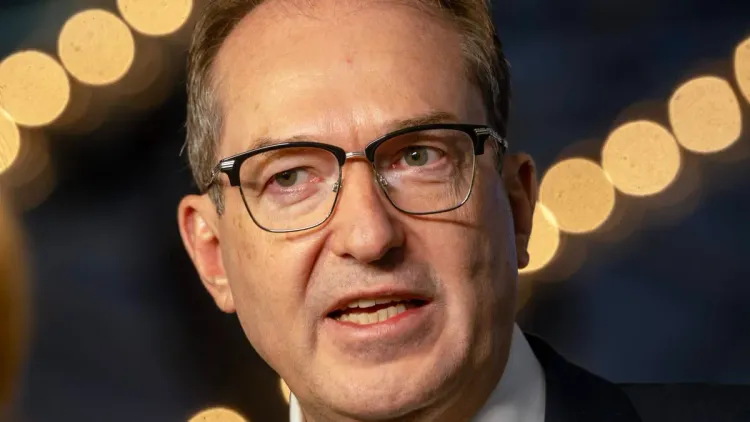
An international jury chaired by Nuremberg Mayor Marcus König selected Yambio at its meeting on Saturday, November 14, 2026. Next year's ceremony will mark the prize's 17th presentation.
Yambio said the news moved him to tears and brought back memories of sleepless nights, nightmares, exhaustion, death threats and fear. He said the award meant a great deal to him and the communities he stands with, and that he accepted it in recognition of his fellow activists at Refugees in Libya.
That organization emerged from a protest in Tripoli. Following brutal raids in the city's Gargaresh district in October 2021, Yambio and other refugees organized thousands of people in a sit-in outside the UNHCR building that lasted for months.
Since reaching Europe, Yambio has investigated human trafficking and crimes against refugees in the central Mediterranean. His work includes supplying evidence for proceedings before the International Criminal Court.
Displacement, detention and escape
Yambio's flight from conflict began in infancy, when his family fled civil war to the Congo and the Central African Republic. They briefly returned home in 2005, but renewed conflict forced them to leave again, according to BR24.
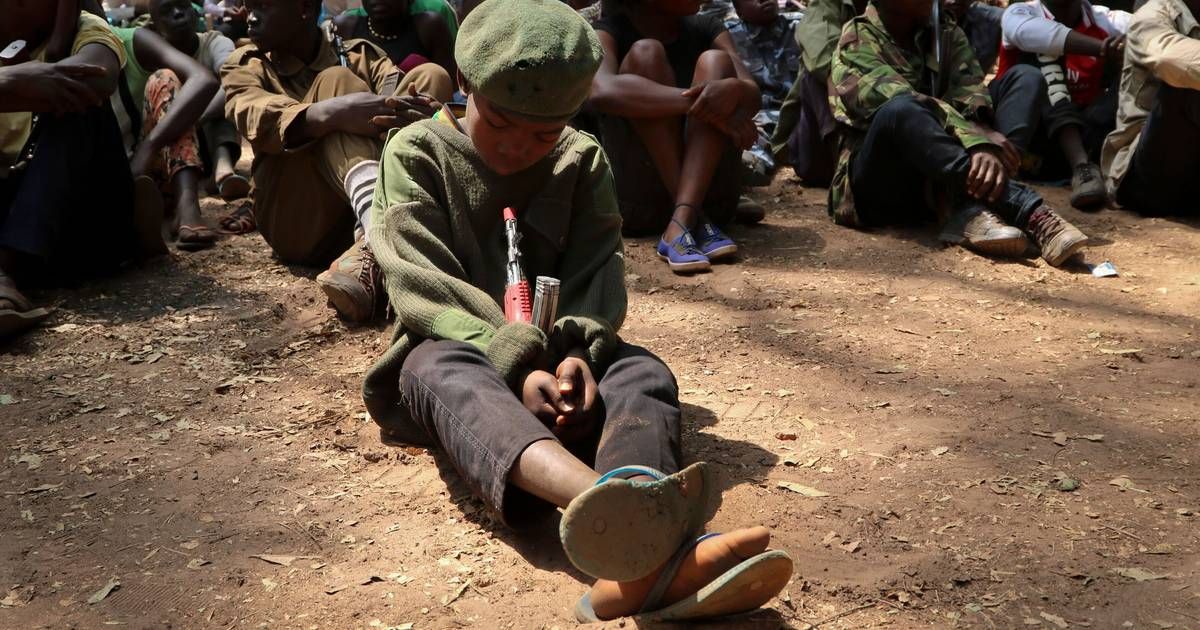
In 2009, at age 12, he was abducted by the Lord's Resistance Army, or LRA. UN troops helped him escape about a year later. He was forcibly conscripted into the South Sudanese army in 2013, when he was 16.
He left his homeland permanently in 2016, traveling through Chad, Nigeria, Morocco and Niger to North Africa. From 2018, he lived in precarious conditions in Libya. Failed attempts to cross the Mediterranean and illegal returns were followed by several years in Libyan detention camps and prisons, where he survived torture and enslavement.
His activism in Libya brought severe threats from militias and the state, and he was shot. In 2022, he escaped to Italy, where he still lives.
The award's ties to Nuremberg's history
König connected Yambio's selection with Nuremberg's history, pointing to the post-World War II Nuremberg trials, which are regarded as the birth of international criminal law.
The prize's statute also addresses the city's role in National Socialism and its inhumane racial laws. It says the award is intended to signal that Nuremberg should stand only for peace and international understanding in the present and future.
Presented since 1995, the award has honored Kenya's Malcolm Bidali in 2023 for exposing abuse of migrant workers in Qatar and Kazakhstan's Sayragul Sauytbay in 2022 for reporting crimes against Muslim minorities in Xinjiang. Chile's Rodrigo Mundaca received the prize in 2019 for his fight for free access to water.