An unofficial American presence
The State Department confirmed that it would not send representatives to COP31, according to California Governor Gavin Newsom's office. This is the second straight year the Trump administration has skipped the conference: it declined to send even a note-taker to COP30 in Belém, Brazil, last year.
The absence leaves a major emitter outside the talks. DW reports that the United States ranks first in cumulative greenhouse gas emissions and second, behind China, in current emissions. Süddeutsche Zeitung argues that without American pressure, countries resisting climate action have more room to maneuver.
Yet more than 120 US state and local leaders have come to Antalya with the "America Is All In" coalition, according to DW. The group includes Newsom, Minnesota Governor Tim Walz, New Mexico Governor Michelle Lujan Grisham, former Secretary of State John Kerry and former Vice President Al Gore. They are holding events alongside the summit, but have no role in its formal negotiations.
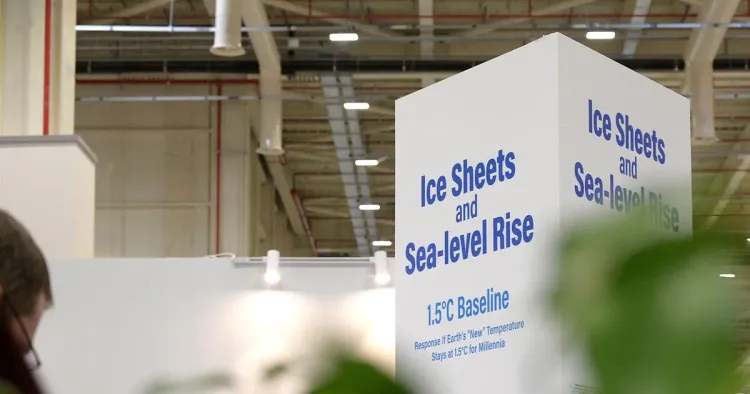
Their physical presence is modest. Süddeutsche Zeitung describes a 200-square-meter US stand, smaller than Morocco's, reached after passing Australia's displays of threatened corals, Türkiye's elaborate pavilion flanked by Saudi Arabia and the United Arab Emirates, and the Chinese and Brazilian stands.
State action and hopes for a federal return
The unofficial delegation is pointing to climate action that can continue without federal leadership. A report from America Is All In and the University of Maryland's Center for Global Sustainability estimates that existing state policies, together with market trends and declining technology costs, could reduce US carbon emissions by as much as 46 percent from 2005 levels by 2035, DW reports.
The summit also follows US midterm elections in which Trump's Republicans suffered a significant defeat. Democrats attending COP31 cited that result as a basis for optimism about a future administration returning to the climate talks, according to DW. For the American climate advocates described by Süddeutsche Zeitung, that prospect means looking ahead to the end of Trump's time in office.
Negotiators remain divided
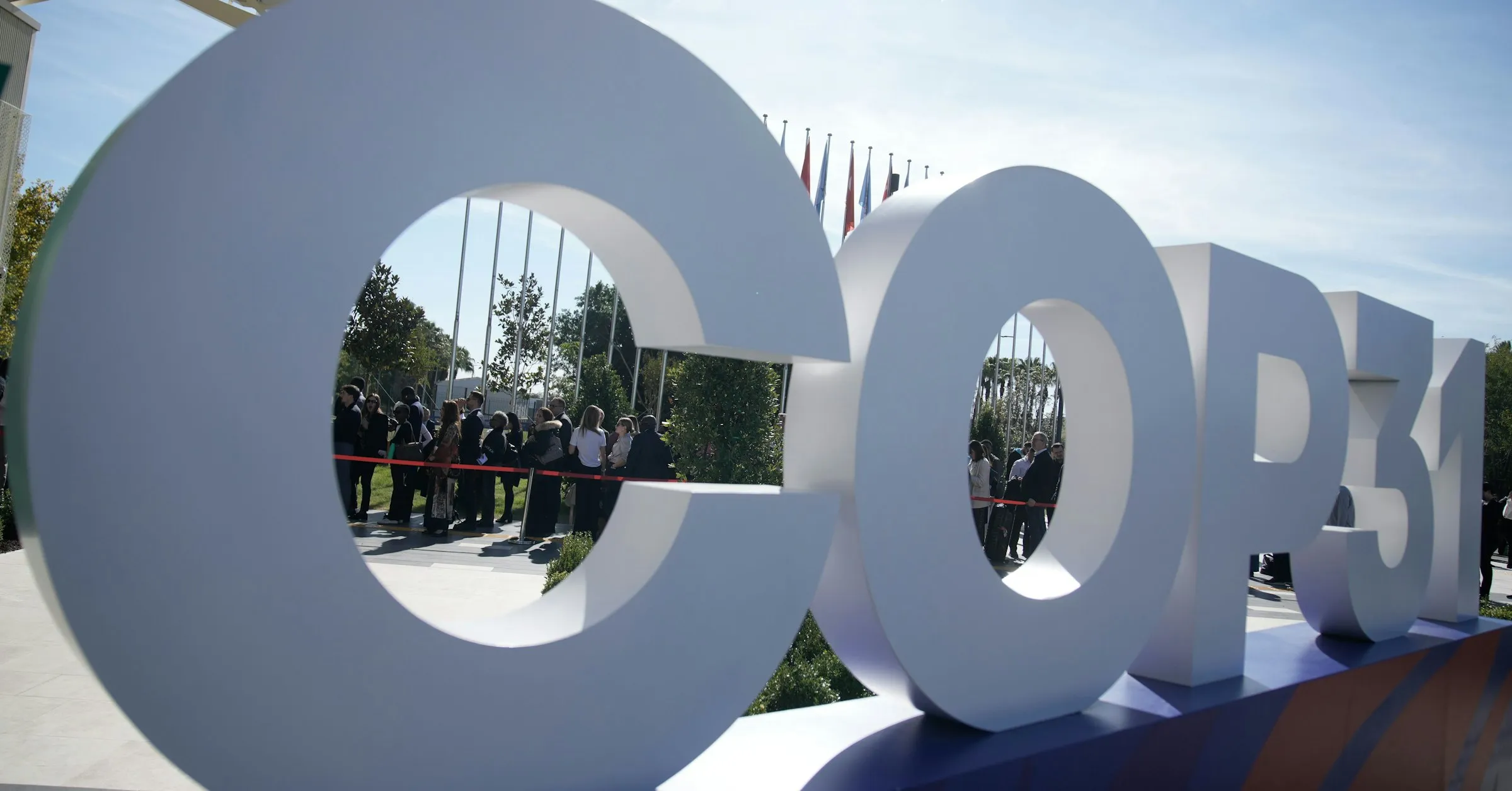
COP31 runs November 9-20, 2026, at the Antalya Expo Center in Türkiye. A dispute over hosting produced a split leadership arrangement: Turkish Environment Minister Murat Kurum is COP President, while Australian Climate Change and Energy Minister Chris Bowen directs the talks as President of Negotiations.
As the summit moved into its final week, countries had yet to resolve disagreements over climate finance, fossil fuels and adaptation, UN News reported. Australia, the co-host responsible for leading negotiations, distributed an initial draft of the overarching "cover decision" late Monday. It is only a basis for further talks, and countries remain divided over whether there should be such a decision at all.
One issue Türkiye wants in that decision is electrification. Its proposal aims to increase electricity's share of global energy demand from about 20 percent now to 35 percent by 2035, according to Hürriyet Daily News. The EU wants the wording to specify "clean" electrification, potentially opening a debate about the place of fossil fuels.
Pledges on AI and cleaner industry
Alongside the negotiations, Türkiye and the UN International Telecommunication Union launched the Antalya Artificial Intelligence Pledge. By Monday morning, it had attracted 80 endorsements and 271 commitments, according to UN News.
Governments also launched the Antalya Green Industrialization Compact, intended to speed investment in cleaner steel, cement and other industrial products.