Resignation and impeachment
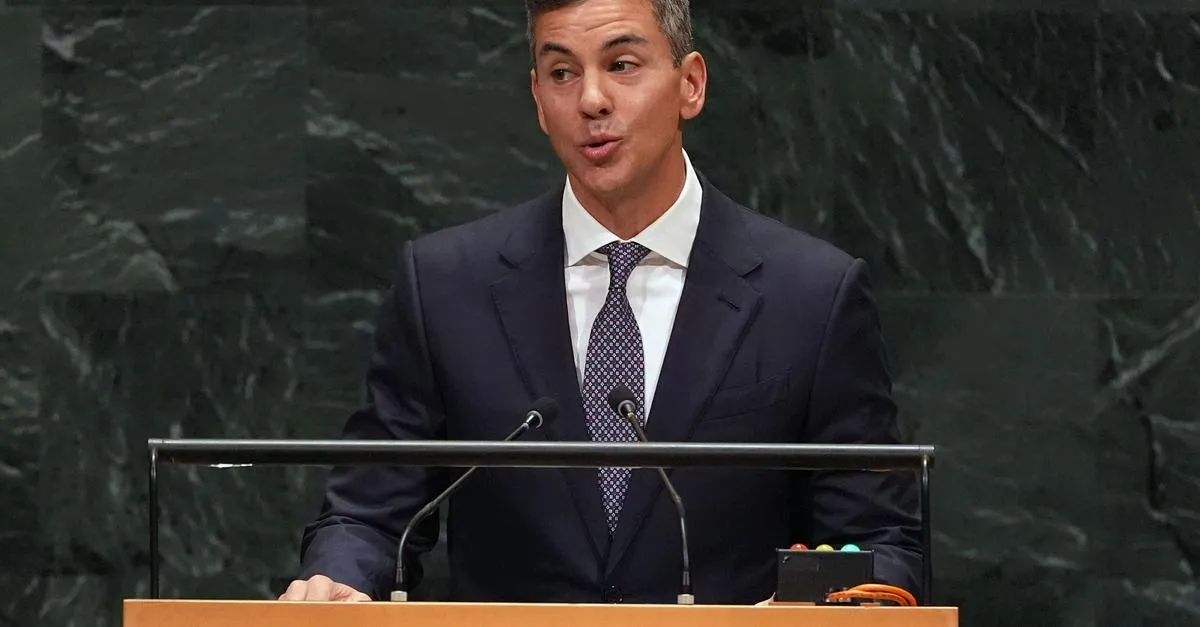
Peña said in a televised address that he was stepping down to preserve the country's stability. According to dpa, he called for reassurance for Paraguayans who had entrusted their savings to the financial system, said he wanted payments guaranteed and asked the public for forgiveness if he had made mistakes.
Within minutes of the announcement, the Chamber of Deputies approved impeachment by a 78-0 vote, CBC News and Al Jazeera reported. The Senate then opened proceedings and summoned Peña to appear on Friday.
A joint congressional session convened to consider the resignation lost its quorum when members of Peña's Colorado Party walked out. Their departure came after it became clear that accepting the resignation would not draw enough votes, according to Al Jazeera.
Former President Horacio Cartes, who leads the Colorado Party, supported impeachment, saying the party would not side with "the theft of public, private and pension funds."
The choice between resignation and an impeachment conviction has legal consequences. Former Paraguayan presidents ordinarily become senators for life, with a degree of immunity from prosecution, but an impeachment conviction bars that status. Al Jazeera reported that this was one reason opposition senators insisted on a trial. Vice President Pedro Alliana is next in the constitutional line of succession and would likely assume the presidency if Peña is removed.
Account freezes affect millions
The central bank placed Ueno into resolution after the digital lender's capital ratio dropped below half the required minimum. Customers subsequently lost access to their accounts for a time. The crisis prompted street protests in Asunción.
Ueno said it served 2.8 million customers in the first quarter of 2026, roughly 60 percent of Paraguay's adult population, making it one of the country's largest banks. Its frozen accounts also handled pension payments.
The lender held close to $850 million in public funds, according to Al Jazeera. EFE reported that the state social security institute IPS had $355 million invested there and that Ueno handled pension payments for about 32,000 retirees.
Ueno had received its banking license in 2023 after rebranding a finance company that had operated for decades. CBC News reported that its network expanded to more than 70 locations. It also sponsored Paraguay's national soccer team and secured naming rights to the country's main stadium.
Business ties draw scrutiny
Peña's connection to Ueno predates the crisis: he owned a stake in its parent company until March 2025. He had denied allegations of possible conflicts of interest, and the opposition had already sought impeachment proceedings against him.
Central bank chief Carvallo had earlier been forced to leave his post over conflict-of-interest allegations tied to his previous senior position at Ueno.
Criminal investigations and charges
Attorney General Emiliano Rolón Fernández ordered three criminal investigations, CBC News reported, including inquiries into allegations involving Peña and other current and former officials. Investigators are examining how authorities supervised Ueno, responded to its failure and placed public money with the bank.
Eight senior executives have been detained, among them Ueno founder Miguel Vázquez and bank president Juan Manuel Gustale. Prosecutors have also brought charges against 27 bank officials and business associates, with alleged offenses including attempted fraud and breach of trust, according to CBC News.
Deposit protection and initial payments
Paraguay's deposit guarantee fund protects each depositor at each institution up to the equivalent of 75 minimum wages, EFE reported. That limit is about 228.3 million guaraníes, or roughly $38,000.
The central bank said depositors would receive an initial payment of up to 10 million guaraníes.