Investigators return to the hotel
Aiwanger was found unresponsive at about 7 p.m. Wednesday, November 4, in his room at the Hotel "Neuer Fritz" in Berlin's Mitte district, according to the Berlin public prosecutor's office. Homicide detectives and prosecutors opened a formal death investigation late that evening to establish how he died and whether anyone else was involved.
Forensic investigators returned to the hotel on Friday. Prosecutors' spokesman Alan Bauer said the additional work at the scene produced no new findings. He declined to describe the examinations in detail but said third-party involvement remained ruled out.
Der Tagesspiegel reported that Berlin authorities had already been working on the assumption of a natural death on Wednesday evening, citing health reasons, and that investigators had found no indication of a crime or suicide. That account did not establish a specific medical cause of death.
Illness and canceled appearances
According to Der Tagesspiegel, Aiwanger stayed at his hotel on Friedrichstraße because he felt unwell, with his illness initially described as a stomach flu. He had canceled an interview scheduled for Wednesday morning.
He was also due to speak that afternoon at the opening of the Freie Wähler's new Berlin office but withdrew for health reasons. Bavaria's digital minister, Fabian Mehring, represented him at the event, Der Tagesspiegel reported. The office was intended to bring experience in local government and close contact with residents into discussions at the federal level.
When Aiwanger later could not be reached, concerned party colleagues reportedly asked hotel employees to open his room. Media reports said he was found dead in bed; Bild identified the room by its name, "Christof". Prosecutors initially declined to identify who had discovered the body, citing the needs of the investigation.
Police and prosecutors collected potential evidence and interviewed witnesses. The body was removed overnight into Thursday. The Berliner Morgenpost reported that, according to its information, there were no obvious signs of external interference in the room.
Bavarian career and public mourning
A native of Lower Bavaria, Aiwanger had led the Freie Wähler's Bavarian organization since 2006 and its federal organization since 2010. He entered the Bavarian state parliament with the party in 2008 and became its parliamentary group leader. When the CSU and Freie Wähler formed a coalition in 2018, he became economy minister and deputy minister-president.
His electoral successes included taking the Landshut constituency's direct seat from the CSU in the 2023 state election. Under his leadership, the Freie Wähler also won numerous district administrator posts from the CSU in the spring local elections. He did not, however, achieve his goal of taking the party into the Bundestag.
Aiwanger had two children and was in a relationship with Tanja Schweiger, a district administrator from the Freie Wähler.
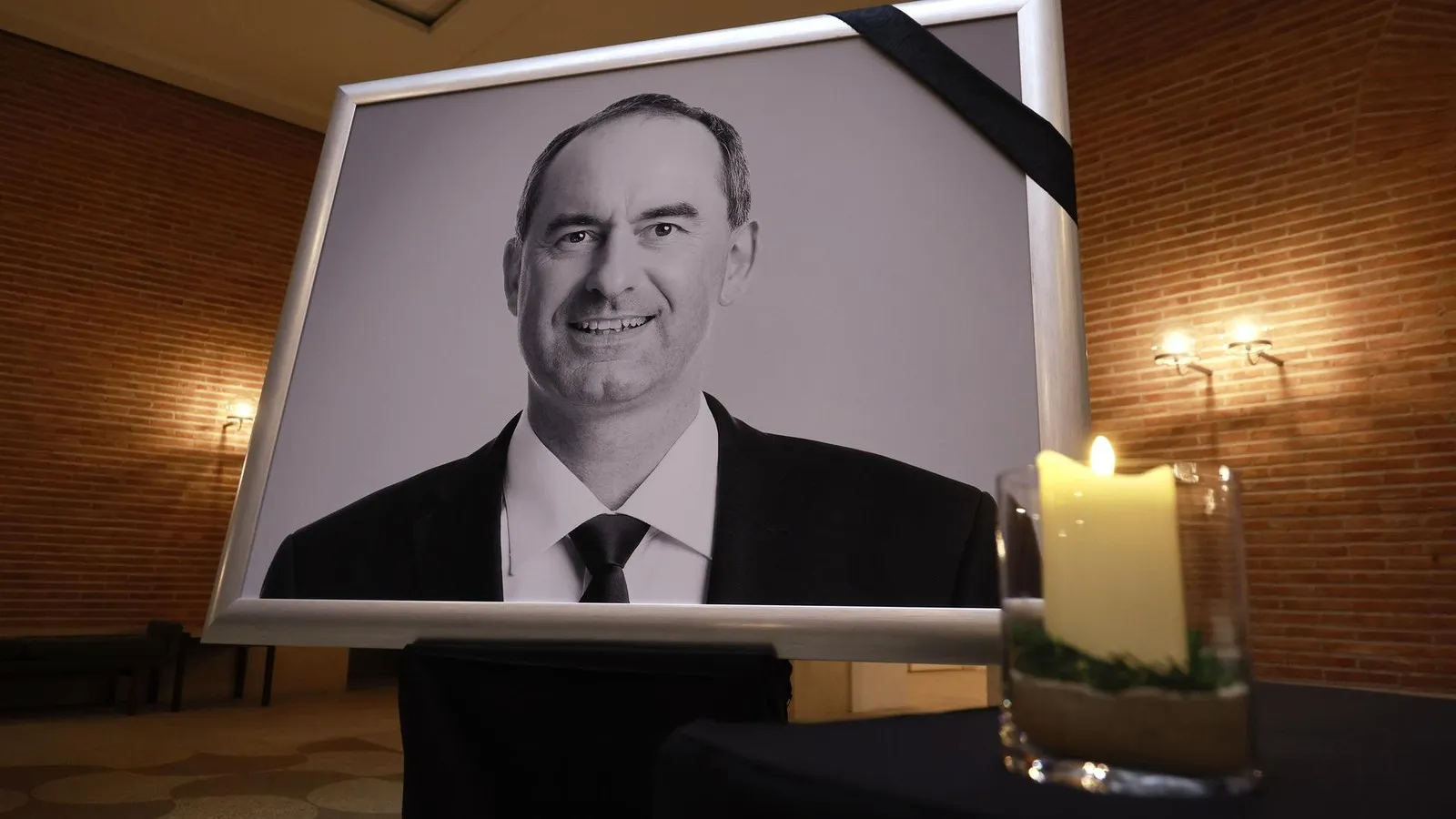
Bavarian Minister-President Markus Söder described the death as an absolute tragedy. In a post on X, he expressed deep shock and said his thoughts were with Aiwanger's family and children. Speaking in Nuremberg on Thursday, Söder said he wanted to continue the coalition with the Freie Wähler and described Aiwanger as a defining figure in Bavarian politics.
Söder ordered flags flown at half-staff at all Bavarian state government buildings on Thursday, November 5, and on the day of the burial. He also announced that a condolence book would be available for the public to sign from Friday at the Prinz-Carl-Palais in Munich.
Succession discussions to wait until after the funeral
The Freie Wähler will cancel their federal party congress scheduled for November 14, 2026, in Geiselwind, Bavaria, and hold it at a later date, probably in 2027. Deputy federal chairman Joachim Streit outlined the plan on November 5, according to Der Spiegel.
Streit said choosing Aiwanger's successor would become a substantive issue only after the funeral. With most party members based in Bavaria, he said, the decision about who would lead the Freie Wähler nationally would be made there.
Political scientist Constantin Wurthmann of the University of Mainz told dpa that filling the leadership void would be difficult, if not impossible, according to a November 6 report in the Stuttgarter Zeitung. In his assessment, the party's future in Bavaria would depend on finding someone capable of matching Aiwanger's political appeal.
Wurthmann also identified the party's approach to the AfD as a decisive issue in the coming leadership changes. He said Aiwanger had, until his death, been a guarantee against the Freie Wähler moving closer to the AfD.