
German care bill advances amid criticism
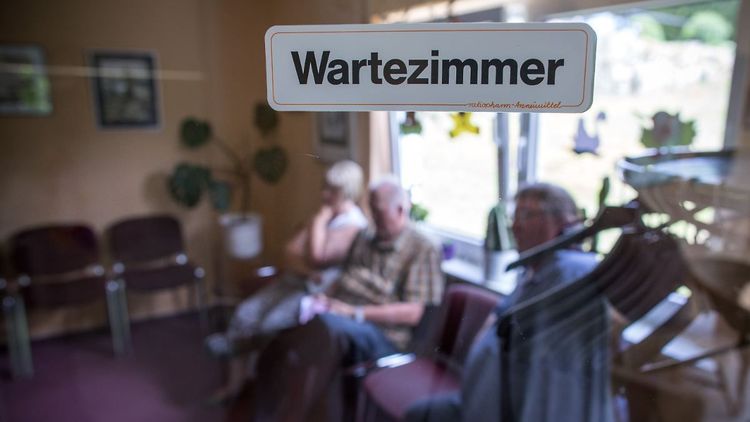
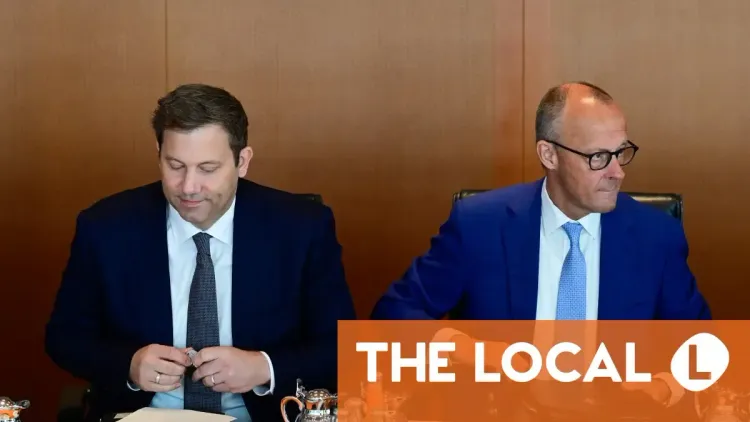
Linnemann's pledge to revise the draft did not end criticism from welfare associations and opposition parties, ARTE Journal reported. The Bundestag held the first reading of the government's Pflegeneuordnungsgesetz (PNOG) on November 5. After the 60-minute debate, lawmakers referred the bill to committees, with the health committee leading further consideration, according to the Bundestag.
Among the disputed provisions are higher thresholds for qualifying for care levels 1 through 3 and the elimination of respite care as a standalone benefit. In an epd report published by nw.de, Diakonie President Rüdiger Schuch described the proposal as a cost-cutting package that threatened established care structures. VdK President Verena Bentele criticized the government for seeking savings at the expense of people who organize and provide care at home every day.
The draft also proposes new support, according to the Bundestag: an entitlement to professional care guidance on site, a local support budget for people at care level 2 or above, and a larger budget for families with care-dependent children and young adults up to age 25. A bridging budget would help when a caregiver becomes unexpectedly unavailable.
To finance long-term care insurance, the government intends to hold the general contribution rate at 3.6% in the coming years. But it also plans to raise the earnings ceiling used to calculate contributions, increase the contribution for childless members, and change rules for spousal co-insurance and low-paid Minijobs. The Bundestag said some insured people could therefore pay more despite the unchanged general rate.
French unions press for higher wages
Higher salaries and an increase in the minimum wage were central demands of France's nationwide strikes and largely peaceful demonstrations on November 5, ARTE Journal reported. Turnout estimates differed sharply: the government counted 575,000 participants, while unions put the figure at nearly 1.6 million, according to actu.fr.
The unions proposed different increases to the SMIC minimum wage, which then stood at 1,477 euros net, Le Dauphiné Libéré reported. The CFDT sought another 100 euros net per month, or 6.8%. The CGT demanded a 10% increase to 2,053 euros gross, followed by a rise to 2,200 euros. FO wanted the minimum wage to equal 80% of the median net wage. The government, meanwhile, was considering a total increase of about 1.5%.
Further protests were planned, according to actu.fr. The Gilets jaunes called for actions on November 6 and 7, including a Paris rally on November 7. Unions and housing-rights groups from seven European countries also called for coordinated demonstrations against the cost of living on November 20-22, 2026.
Wong faces imprisonment until late 2036
Joshua Wong's additional 10-year sentence, handed down on November 5, concerned collaboration with foreign forces, ARTE Journal reported. The 30-year-old Hong Kong democracy activist had already been serving four years and eight months for "conspiracy to commit subversion" in the Hong Kong 47 case.
Wong had been due for release in January 2027. With the new sentence, he faces imprisonment until late 2036, when he will be 40, according to Human Rights Watch. The organization said two months of the new term would run concurrently with his existing national security sentence.
Authorities brought the charge of "conspiring to collude with foreign forces" in June 2025. According to Human Rights Watch, they accused Wong of conspiring with exiled activist Nathan Law and other unidentified people between 2016 and November 2020 to urge foreign governments to impose sanctions on Hong Kong and Chinese officials.
Wong formally pleaded guilty on September 2, 2026. Human Rights Watch reported that the Hong Kong High Court classified the offense as being of a "grave nature."