Growing demand at home and in care facilities
The ministry's projection puts the number needing care at 980,000 by midcentury. Its structural data, based on the IGES care report, forecast a Bavarian population of 13.4 million in 2050, including 2.2 million people ages 65 to 79 and 1.4 million ages 80 and older.
An updated forecast published by IGES Institut on June 10, 2026, details the expected growth across different types of care. By 2050, around 481,000 people are projected to receive Pflegegeld, a long-term care allowance for those who arrange their own care, usually with relatives. That represents a 57 percent increase. The number receiving care from an outpatient nursing service is expected to rise by 50 percent to around 105,000.
IGES projects that around 159,000 people will receive permanent inpatient care in 2050, an increase of 47 percent. It estimates that demand for nursing-home places will grow by about 58,700 to roughly 184,000. Day care facilities are expected to serve roughly 38,000 people, compared with around 21,500 in 2023.
The institute attributes part of the increase in care needs beyond demographic change to the broader definition of care need introduced in 2017 and changes to the assessment process. Across Germany, the share of people covered by social long-term care insurance who had a recognized care need rose from 4.6 percent in 2017 to 7.0 percent in 2023.
Bavaria points to investment and training gains
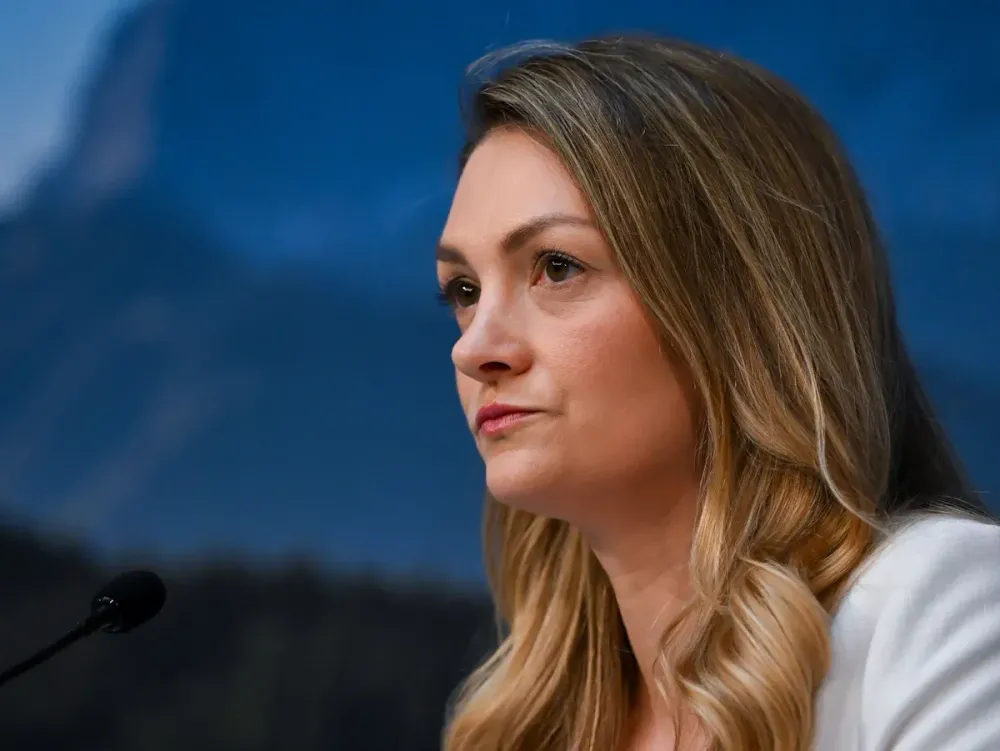
Speaking after the cabinet meeting, Gerlach, a member of the CSU, said the state was on track to build care services capable of meeting future needs. She cited a funding program that created or modernized almost 8,900 care places between 2020 and 2025, with state investment totaling 410 million euros.
Those projects included more than 1,900 places in day care facilities, about 620 in shared housing supported by outpatient care services and 320 short-term care places. A separate program supporting home care and family caregivers has provided 18.7 million euros in funding since 2023.
The state government also reported rising enrollment in both generalist vocational nursing training and generalist nursing degree programs. In 2026, the number of trainees in generalist vocational nursing training increased by about 10 percent, while nursing assistant programs recorded a 13 percent rise in student numbers. According to the state, its "Fast Lane" process has also accelerated the recognition of qualifications held by nurses and nursing assistants from abroad.
The longer-term staffing forecast nevertheless points to shortages. IGES projects demand for nursing professionals at around 135,000 full-time-equivalent positions by 2050, almost 50 percent above the 2023 level. It forecasts that the available supply of skilled staff will grow by only 16 percent, to around 50,150 full-time positions.
The projected shortfall varies by scenario: about 6,600 full-time-equivalent positions if the employment rate rises by 40 percent, and more than 21,000 if that rate remains unchanged. The base scenario puts the gap at about 14,000 positions.
Federal financing proposals and Bavaria's demands
Gerlach called for a prompt federal reform plan that would put care insurance on a sustainable footing and distribute its costs fairly across generations. She said financing must be secured without overburdening contributors or taxpayers, or leaving people who need care and their families without support.
The national insurance system faces substantial financial pressure. According to tagesschau.de's reporting as of September 30, 2026, social long-term care insurance was expected to run a total deficit of 4.4 billion euros in 2026, potentially rising to 7.5 billion euros in 2027.
The same outlet reported that the number of people receiving care insurance benefits in Germany rose from 1.95 million in 2005 to around six million in 2025. Associated costs increased from around 17 billion euros in 2005 to 70.4 billion euros in 2024.
As a first stage of reform, the federal cabinet agreed on a draft Pflegeneuordnungsgesetz, or PNOG, intended to close an expected financing gap of around eight billion euros in 2027. Under the draft, the general contribution rate would remain at 3.6 percent. The surcharge for childless insured people would rise by 0.3 percentage points to 0.9 percent, and a 0.52 percent surcharge would apply to co-insured spouses or partners.
Gerlach also urged the federal expert commission to deliver its structural and financing proposals quickly. The federal cabinet decided on October 14, 2026, to establish the 13-member care-structure commission, known as the Pflegestrukturkommission. Its proposals for sustainable financing and good care provision are due by the end of January 2027, with legislative implementation envisaged by July 1, 2027.