A timeline and a role for Rubio
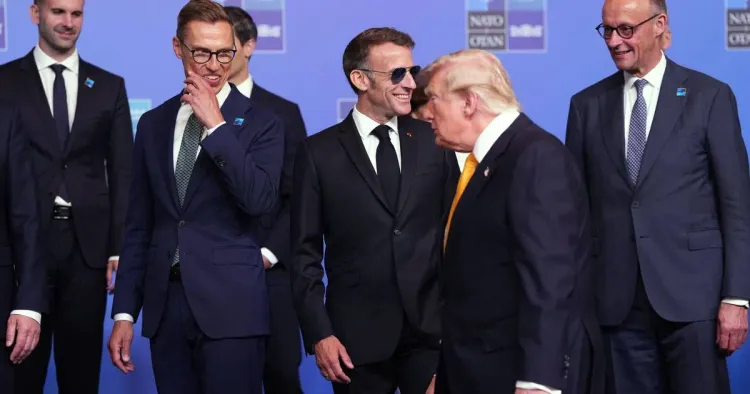
Trump made the remarks to conservative radio host Hugh Hewitt. Although he has repeatedly raised the prospect of ousting Cuba's communist government, POLITICO reported that this was the first time he had attached a timeline to a possible military operation.
Secretary of State Marco Rubio would have a central role in the effort, Trump said. He pointed to Rubio's Cuban parentage and said the secretary "would love to do that."
Trump also cast a potential operation as something he would do for Cuban-Americans, saying he had won the Cuban vote in Florida by a large margin. He described Cubans who had come to the United States as people who "were treated really badly."
Earlier threats of intervention
Trump's comments followed months of statements about taking control of Cuba. In March 2026, he told reporters he believed he would have the "honor" of taking over the island. "I think I can do anything I want with it. Whether I free it, take it, I think I can do anything I want with it."
At an October appearance before the U.S. midterm elections, Trump suggested that American warships returning from deployment in the Iran war could sail to Cuba and take up positions off its coast. He said Cuba's leaders would then surrender.
More recently, at a press briefing on Monday, November 9, he predicted that Cuba "will fall fairly soon." He described it as a failing nation, compared its ideology to that of the Democratic Party and said the United States would help it "on a humanitarian basis."
Blockade and new sanctions
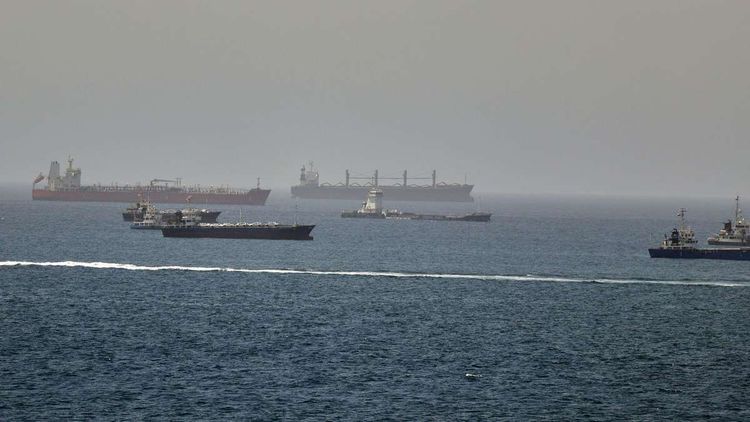
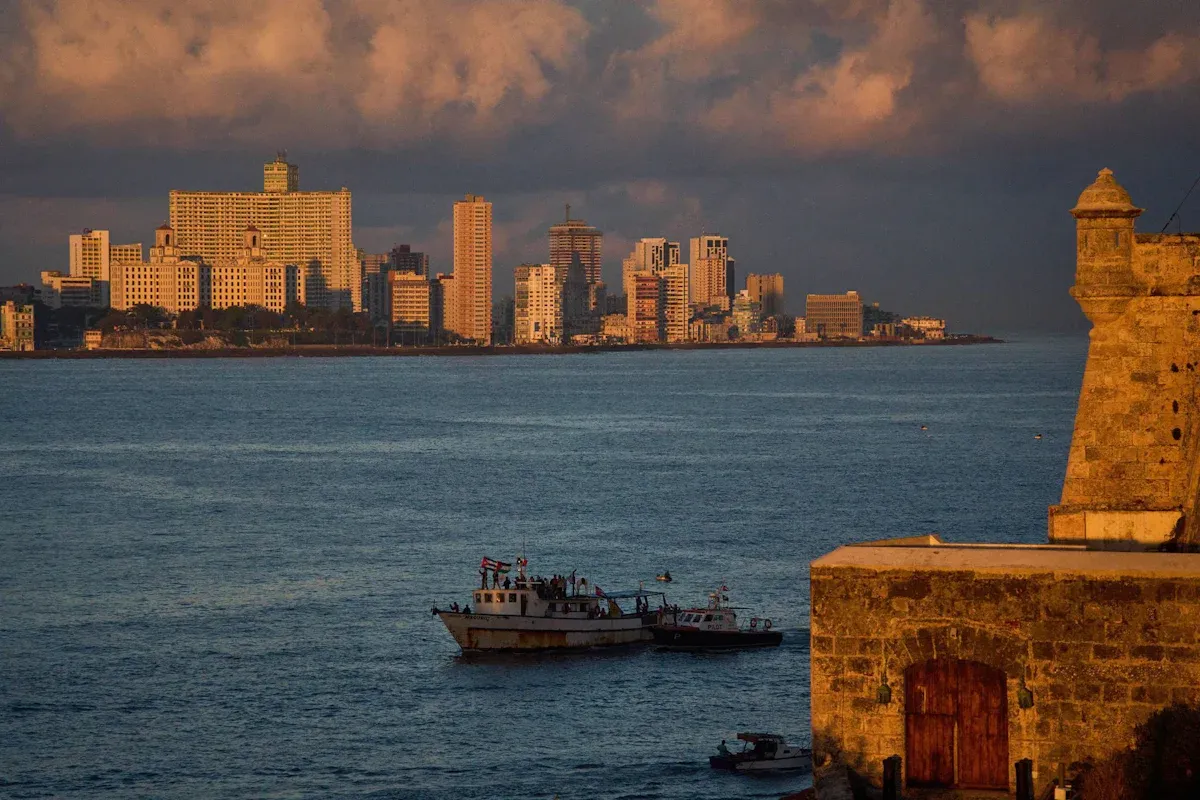
The United States has maintained a fuel blockade against Cuba since January 2026, following the U.S. intervention in Venezuela that ousted President Nicolás Maduro. The New York Times described it in February as the first effective U.S. blockade of Cuba since the Cuban Missile Crisis.
Cuba's government denounced the blockade and threats of U.S. military action during the UN General Debate in September.
In early November, the Trump administration added sanctions targeting Cuba's oil and electronics sectors, along with people and entities connected to its government, military and oil industry. The sanctions list included two Chinese companies for the first time: state-owned CEIEC and privately owned Beijing H&C Technologies. Both were accused of providing electronics and security equipment to Cuba's military.
Legal analysis distinguishes embargo from military threats
An analysis published in Just Security by international-law scholars Michael Schmitt of the University of Reading and Rob McLaughlin of the University of Wollongong drew a distinction between the oil embargo and threats of military action. The University of Reading highlighted their findings in May 2026.
The authors concluded that the embargo alone did not meet the international-law threshold for a use of force. They found, however, that repeated military threats by Trump and senior officials constituted prohibited threats of force, and that a campaign intended to bring about regime change amounted to unlawful intervention.