Projections leave both main blocs short
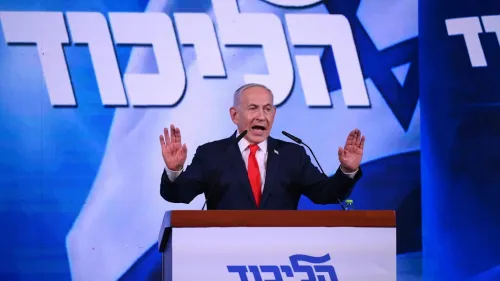
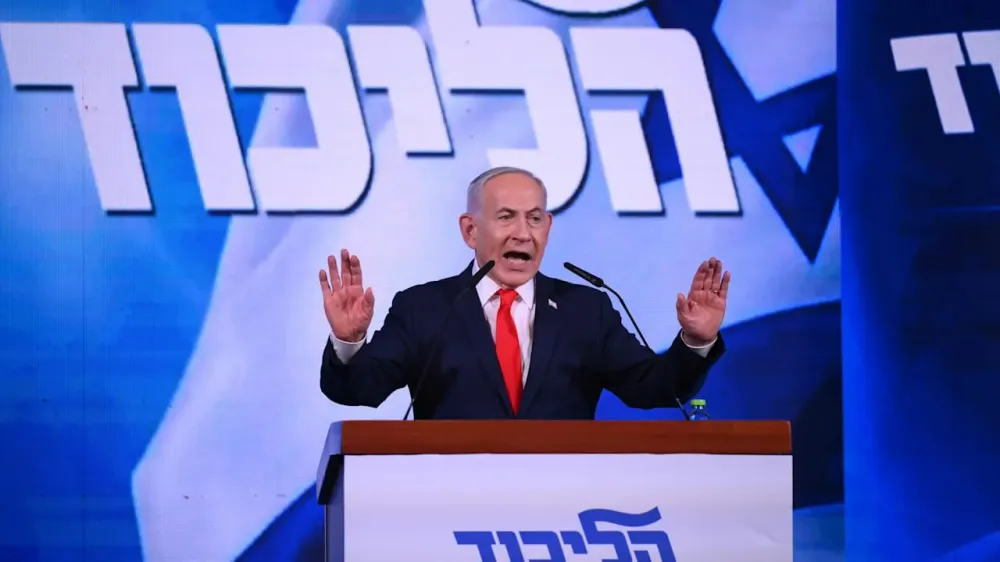
With more than 85% of ballots counted, projections gave Netanyahu's bloc 53 seats in the 120-member Knesset, below the 61 required for a majority. The opposition camp led by Gadi Eisenkot stood at 48 seats, while Arab parties were projected to win a record 19.
Although Likud itself gained ground, the projected result would leave the pro-Netanyahu bloc with 15 fewer seats than it won in 2022. Final results are expected Thursday.
Between 430,000 and 480,000 votes cast by soldiers, prisoners and diplomats remained uncounted as of October 28. Israeli analysts said those ballots could change individual seat allocations but were unlikely to alter the balance between the blocs.
Fraud allegations and the official response
In a joint Instagram post, Netanyahu and Likud accused Arab parties of stealing the election. The party alleged that Ra'am and the Joint List had used bribery, threats, violence, forgery and prohibited voter-mobilization programs.
Likud said it planned to submit hundreds of witness statements and pieces of evidence to police, the Shin Bet domestic intelligence service and the Central Elections Committee. It claimed the material included thousands of envelopes containing cash and Ra'am ballots. A committee representative rejected the fraud allegations in an interview with Channel 12.
Police separately confirmed that three people had been arrested overnight before the October 27, 2026, election on suspicion of trying to buy votes for Ra'am. Searches of their homes by Southern District detectives yielded more than NIS 24,000, about $7,900, along with prepared envelopes containing money and notes.
The committee's acting director general, Dean Livne, described that incident as "unusual" and "a localised case". He said no similar incidents had occurred elsewhere in the country and that the suspects were caught near their homes rather than at polling stations.
Responding to Likud's demand, the committee said it had begun the monitoring process it conducts at every election to examine parties' concerns about voting integrity or possible errors in results. It confirmed that Likud's request had been received and was under review. Livne had notified all electoral lists of the procedure on October 25, two days before voting, and invited them to identify polling stations whose results they believed needed examination.
Fraud claims also featured in the campaign. Likud and Finance Minister Bezalel Smotrich's Religious Zionism pledged to deploy nearly 2,000 activists to polling stations in Arab communities, in addition to formal observers. The parties said the deployment would follow a "special mapping" of fraud risk. The Times of Israel described the claims behind the plan as unsubstantiated. Livne had said in June that existing safeguards were adequate: "There is no fraud in Israel. If it exists, it's on the margins."
Arab parties weigh support for an alternative government
Likud called cooperation with Arab parties illegitimate during the campaign. Yet their projected 19 seats could give them unprecedented influence over government formation: either major bloc would likely struggle to assemble a majority without their support. Whether they will ultimately back or participate in a government remains unresolved.
Ra'am seeks to enter government with the Zionist opposition. The traditionalist party's slate included a Jewish candidate, Yoav Segalovitz, for the first time in this election. It also has a surplus vote-sharing agreement with the Joint List.
The more strictly anti-Zionist Joint List has offered a conditional "safety net" for a possible anti-Netanyahu minority government rather than coalition membership. Its leader, Yousef Jabareen, said on October 28 that the war in Gaza and settlements in the West Bank were among the reasons his party could not join a coalition under current circumstances. He nevertheless said it could support an alternative government from outside the coalition to remove Netanyahu's government.
Yair Golan, leader of the left-wing Democrats party, urged the opposition on October 28 to cooperate with Arab parties to unseat Netanyahu. He rejected what he called Netanyahu's racist distinction between Jewish and Arab votes and called for a government of change in partnership with Israel's Arab citizens.
President Isaac Herzog, who must choose a candidate to attempt to form a government, appealed on October 28 for every effort to prevent another election after the partial results left neither main bloc with a majority.