Risks to routine medical care
Nyemazi said resistance to antibiotics and other medicines is widespread and threatens the future of modern medicine. Routine surgery and childbirth can become life-threatening when patients contract bacteria, viruses or fungi that available treatments can no longer control. Cancer patients and people with chronic illnesses also face greater danger from these resistant pathogens.
WHO's theme for this year's awareness week is "One Health, one action: Prevent AMR now". It emphasizes that tackling antimicrobial resistance, or AMR, is a shared responsibility across human, animal, plant and environmental health.
Surveillance shows widespread antibiotic resistance
WHO says a growing number of bacteria no longer respond to commonly used drugs, while development of new antibiotics remains insufficient.
Its Global antibiotic resistance surveillance report 2025 (GLASS), released October 13, 2025, found antibiotic resistance in approximately one in six laboratory-confirmed bacterial infections worldwide in 2023. The analysis drew on more than 23 million confirmed infections reported by 104 countries.
The report also tracked changes from 2018 through 2023. Resistance increased in more than 40% of the pathogen-antibiotic combinations monitored, with average annual increases of 5% to 15%.
Rates varied by WHO region. Almost one in three infections in the South-East Asia and Eastern Mediterranean regions was resistant, compared with one in five in the African Region. The figures were about one in 10 in the European Region and one in 11 in the Western Pacific Region.
Deaths projected to rise, with uneven effects by age
Estimates put deaths caused by resistance at more than one million in 2021, Nyemazi said. A GRAM Project study published in The Lancet in September 2024 provides more detailed projections for bacterial AMR: annual deaths directly attributable to it could reach 1.91 million in 2050, up 67.5% from 1.14 million in 2021. Over the same period, the broader number of deaths associated with AMR is projected to rise from 4.71 million to 8.22 million.
Historical trends differed sharply by age. GRAM estimated that deaths from AMR among children under 5 declined from 488,000 in 1990 to 193,000 in 2021. Among adults 70 and older, deaths increased by more than 80% over those years.
The study also estimated the potential gains from better treatment. Investment in care for severe infections and access to antimicrobials could save up to 92 million lives by 2050. Regular introduction of new antimicrobials aimed at Gram-negative pathogens could avert up to 11 million AMR-related deaths.
WHO warns that, without urgent action, AMR could impose annual costs exceeding $3.4 trillion on the global economy, with low- and middle-income countries disproportionately affected.
Prevention and treatment targets remain out of reach
WHO specialist Pravarsha Prakash said preventing infections is the best way to reduce the need for antibiotics. Yet only slightly more than one-third of countries have put WHO's infection-prevention guidelines into practice nationwide.
Too many countries also remain far from the 2030 goals set by the World Health Assembly in 2024, according to WHO. Those goals cover infection prevention, medicine use in hospitals, testing capacity and surveillance of resistance.
Separate commitments in the UN General Assembly's 2024 political declaration on AMR call for at least 70% of antibiotics used in human health to come from WHO's "Access" group by 2030. The declaration also calls for at least 80% of countries to be able to diagnose bacterial and fungal pathogens by that year. GLASS reported that Access antibiotics accounted for only 52.7% of global use in 2022.
WHO's updated Global Action Plan on AMR 2026-2036 calls for cooperation across countries and sectors through a One Health approach. Its targets include fewer human deaths associated with bacterial AMR and lower antimicrobial use worldwide, particularly in agrifood systems. It also seeks to limit environmental pollution from resistant microbes and antimicrobial residues.
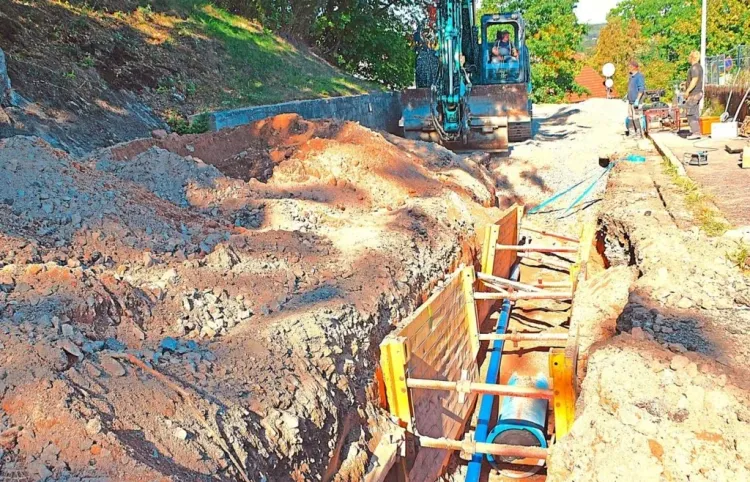
For Germany, WHO identified two areas needing further work: teaching young people about the dangers of resistance and improving wastewater management to reduce the release of antimicrobial substances into the environment.