From hijacking to release
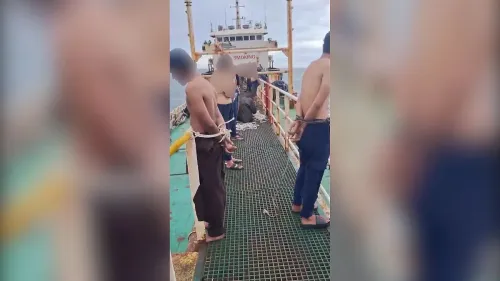
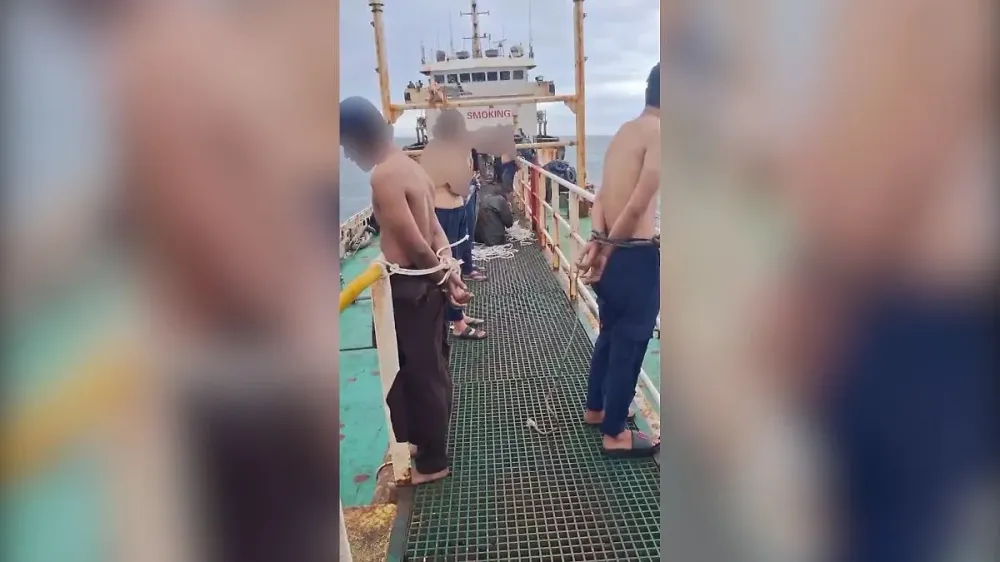
The Honour 25 was carrying 17 crew members and 2,700 tons of diesel when pirates seized it in the Gulf of Aden on April 21, 2026, CNN reported. The tanker had left Shinas Port in Oman to deliver the fuel to Mogadishu, Somalia.
Survivor accounts reported by CNN describe negotiations in which the ship's management company reduced the pirates' ransom demand from $7 million to $1 million.
Puntland Maritime Police Forces freed the tanker on September 29, according to EUNAVFOR Operation ATALANTA. The mission reported that five crew members were killed and two were injured in the operation. The two injured crew members disembarked at Bander Beyla the next day.
CNN reported that the Honour 25 carried no guards and lacked standard anti-piracy protocols. Tim Walker, maritime project leader at the Institute for Security Studies Africa, told CNN that since 2008, pirates have not successfully attacked a ship carrying armed guards.
A resurgence in Somali piracy
The Honour 25 was one of several vessels held during the summer of 2026. At one point, Somali pirates simultaneously held six ships and 90 crew members hostage, according to Operation ATALANTA figures cited by CNN. The mission said piracy incidents, including boardings, armed robberies and hijackings, were at their highest level in a decade and a half.
An October 16 update from Operation ATALANTA listed the cases involving the tankers Honour 25, Eureka and Sibu 1, along with the merchant vessel Sward, as closed. The case involving the tanker Asana remained open.
During the earlier wave of piracy, Somali pirates attacked about 1,000 vessels between 2005 and 2012 and received more than $400 million in ransom, CNN reported. There were 237 reported piracy incidents in 2011 alone. CNN also cited a 2013 World Bank report estimating the annual cost of Somali piracy to the global economy at about $18 billion.
Economic pressure and more sophisticated attacks
CNN identified economic pressures as a driver of the latest surge. Diesel costs nearly doubled during the Iran war, while oil prices exceeded $100 a barrel in recent months. Somalia imports about 90% of its essential goods.
The pirates are also more sophisticated than they were at their peak in the 2010s, CNN reported. Some now track commercial vessels with GPS and satellite devices.
Their funding remains uncertain. Maritime security experts cited by CNN identified the Houthis and al-Shabaab as possible sources, but did not establish who was financing the pirates.