Shutdown follows unsuccessful rescue talks
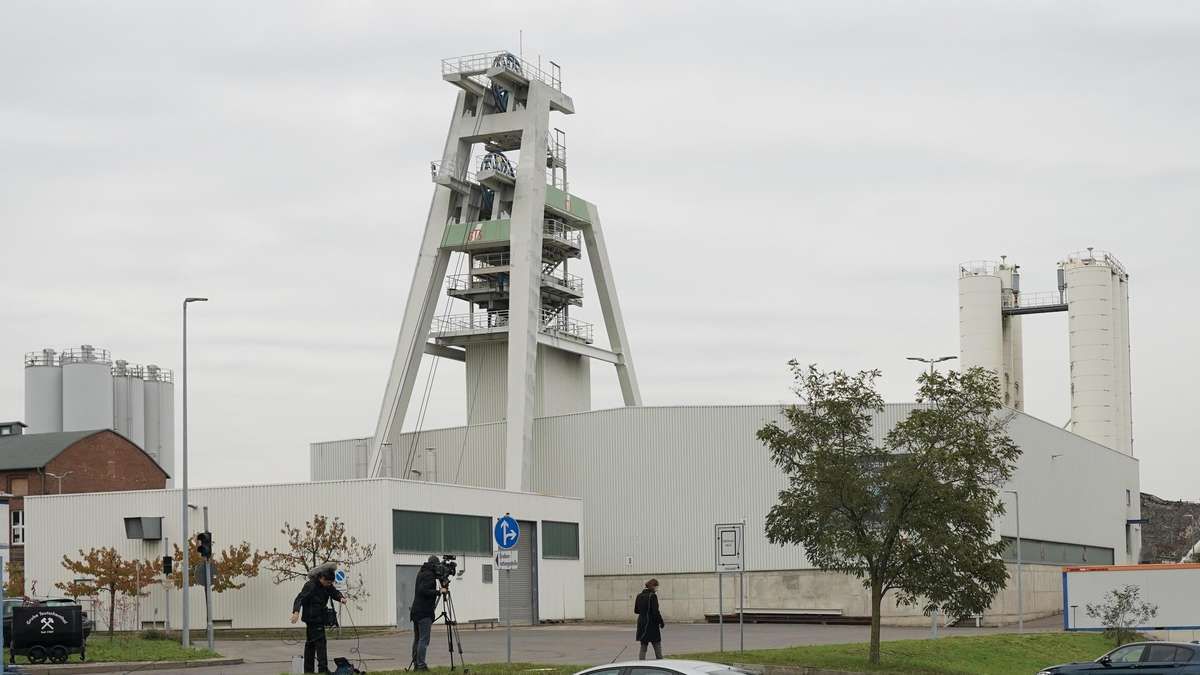
Work at Grube Teutschenthal stopped on October 31. The mine is no longer accepting residues from waste incinerators and industrial processes that were used to fill and stabilize its underground cavities.
The Halle (Saale) local court opened insolvency proceedings for GTS Grube Teutschenthal Sicherungs GmbH & Co. KG on November 2, 2026. It appointed Lucas F. Flöther, a lawyer and partner at Flöther & Wissing, as insolvency administrator. He had also served as preliminary administrator. Talks with prospective investors failed to produce a buyer.
GTS had filed for insolvency at the end of July after the cost of securing the mine rose sharply. The company said earlier geological and geotechnical forecasts no longer reflected conditions at the site. Before filing, it had been unable to reach an agreement with Saxony-Anhalt on shared financing.
During the preliminary proceedings, Flöther said the mine had largely exhausted its backfill capacity, making it harder to find a way to continue operating. MDR Sachsen-Anhalt reported that he considered allowing potash extraction to resume as a way to attract investors: mining could generate revenue and create additional space for backfilling. The operator had previously proposed a similar approach without success.
Employees face dismissal
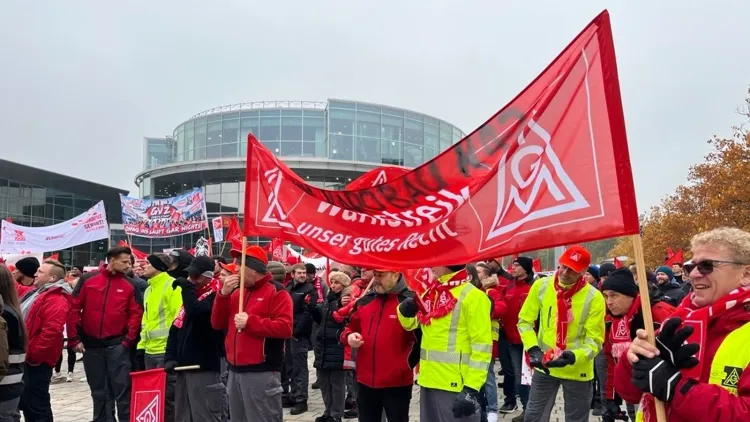
The roughly 90 employees kept the mine operating through the preliminary insolvency proceedings until the end of October. They were told at a staff meeting that they would be given notice. According to the insolvency administration, the estate will cover their salaries during their notice periods, MDR reported.
Talks with the works council on a reconciliation of interests and a social plan are scheduled to begin in November. The workforce had appealed for help in an urgent letter at the end of August to Saxony-Anhalt Minister-President Sven Schulze and Economics Minister Michael Richter, both CDU members. Employees expressed fears about their pay and their families' future and said their concerns had gone unheard, according to MDR.
The company's former managing directors, Markus Mannel and Erik Fillinger, have ended their work. They said they had spent years working with the state on a viable long-term solution and had fought to preserve the site until the end. They also thanked the employees.
Waste disposal ends at the site
According to the workforce, Teutschenthal handled up to one-third of the filter dust from Saxony-Anhalt's waste incinerators, storing it about 700 meters underground. The operator's background information put that share at one-third.
The state economics ministry said it did not anticipate a disposal bottleneck. It said sufficient capacity was available and that it saw no indication of a disposal emergency.
Underground safety remains a state responsibility
The mine extends across about 14 square kilometers, an area roughly equivalent to 2,000 soccer fields, according to the insolvency administrator. Potash and rock salt extraction between 1905 and 1982 left large cavities at depths of 600 to 900 meters. Without measures to secure them, those spaces pose a risk of collapse and ground movement at the surface.
For about three decades, mineral construction materials and approved residues have been used to backfill the cavities. The work is intended to protect nearby communities, including Teutschenthal and Angersdorf, from another rock burst: an underground collapse felt at the surface like an earthquake. The state says severe rock bursts struck the region in 1916, 1940 and 1996, with effects felt as far away as nearby Halle.
Flöther has released the four shafts and the cavities from the insolvency estate, t-online reported, although they formally remain GTS property. Saxony-Anhalt has a public duty to avert danger and can arrange the necessary safety work through a substitute-performance procedure. The State Office for Geology and Mining is expected to play a central role.
The full cost to the public has not yet been determined. An earlier projection by the state economics ministry estimated that long-term safety work and decommissioning would cost about 130 million euros.