Diesel's premium approaches historic highs
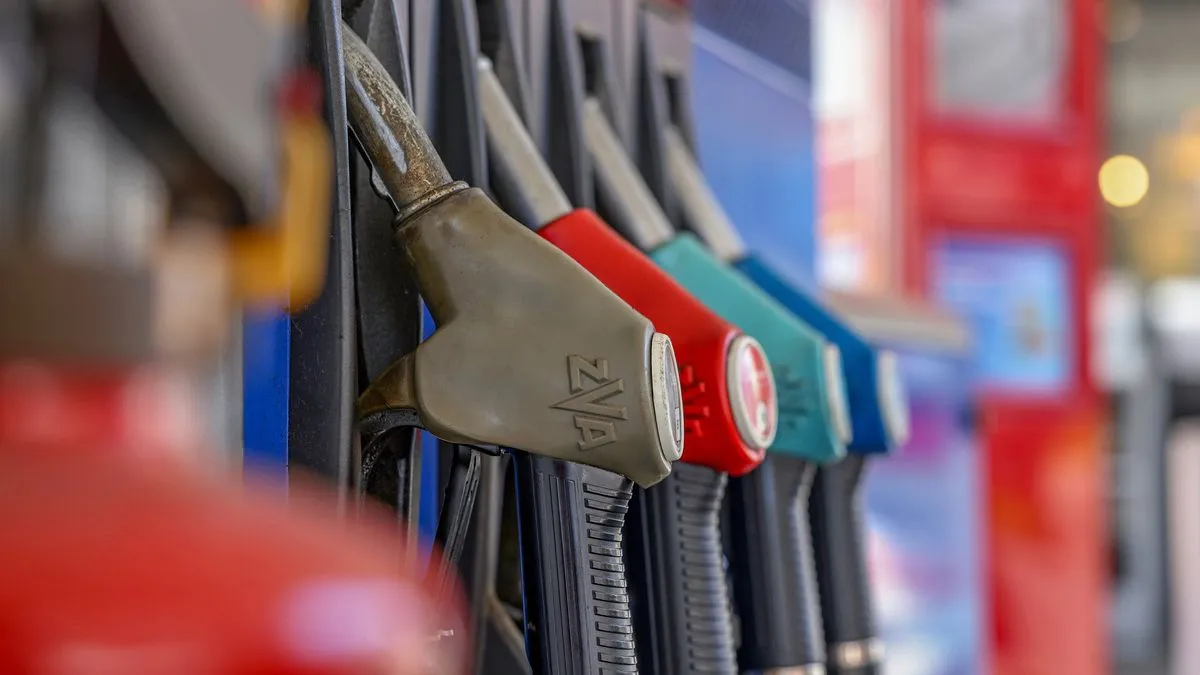
The two fuels have followed different paths over the past month. E10 has mostly declined from its October 8 nationwide daily average of 2.140 euros a liter, about 14 cents above Sunday's price. Diesel, by contrast, was almost unchanged from its October 8 average of 2.242 euros, according to dpa reporting carried by Süddeutsche Zeitung.
That leaves diesel 24.5 cents a liter more expensive than E10, one of the widest gaps ever recorded. According to the same report, the difference was temporarily greater only in April and during the first fuel tax rebate, known as the Tankrabatt, in 2022.
E10's nationwide average had already slipped below 2 euros on Friday and Saturday. Both fuels edged up on Sunday compared with Saturday, but early Monday figures from the Tankerkönig portal suggested prices were easing again rather than reversing course.
Local prices vary substantially by region and time of day. Since the introduction of the noon rule, late morning has been the cheapest time to fill up. On Monday morning, bargain hunters in many regions could find prices just above 1.80 euros a liter, with some stations charging less than 1.80 euros.
Oil retreats as traders weigh prospects for talks
Brent crude for January delivery opened the week at $96.76 a barrel, more than 1.5% below Friday's level. A barrel contains 159 liters.
The decline followed a steep weekly drop. Bloomberg reported that front-month Brent futures were down about 17% in the week to Friday, November 6, putting them on course for their largest weekly loss since April 2020. Democrats had swept the US midterm elections as voters punished President Donald Trump's Republican Party over the war, which had driven up energy prices and inflation, the report said.
Only a month earlier, Brent had reached a six-month high as Trump threatened renewed attacks on Iran after the midterms. Bloomberg reported that Democratic control of Congress could now limit the administration's ability to undertake further military action.
Over the November 7-8 weekend, Trump said further large-scale US attacks on Iran were highly unlikely while negotiations were making progress, according to dpa-AFX. Secretary of State Marco Rubio offered a more cautious assessment: no agreement was in sight, he said, and Iran's demands were unacceptable.
Iran wants the US naval blockade lifted, sanctions eased and frozen assets released before fully reopening the Strait of Hormuz, Bloomberg reported. An interim peace agreement collapsed in June 2026.
Fuel tax relief is due to end in December
Germany's current Tankrabatt reduces taxes on both gasoline and diesel by about 17 cents a liter. The temporary measure expires at the end of December 2026, according to dpa and ADAC.
The government plans to introduce a fuel price cap, or Spritpreisdeckel, on January 1, 2027, immediately after the rebate ends. Its level and calculation formula remain undecided. ADAC cautions against expecting substantial savings, saying the cap would reduce daily average pump prices only slightly at most.
European stocks rebound
European shares also recovered on Monday after last week's volatility in artificial intelligence stocks. The DAX rose 1.1% to 26,102, reclaiming the 26,000 level, while the EuroStoxx50 gained 1.3%.
Andreas Lipkow, chief market analyst at CMC Markets, said the initial shock following the US midterms appeared to have passed. Many investors were again treating the sharply reduced share prices as opportunities to buy.
Concerns that the resurgent Democrats would impose tighter regulation on the AI industry had recently dragged down markets worldwide. Technology stocks in the US and Asia bore the brunt of the selling, and the DAX lost almost 2% on Friday.
US markets were also heading for a positive start on Monday, with blue-chip stocks in particular poised to gain, supported in part by lower oil prices.