Weekend restrictions and pedestrian access
The same restrictions will apply from November 13 through 16, with the closure again running from Friday evening to early Monday morning. The city has set up and signposted detours.
Unlike the closures in September and October, this round of work leaves no room for a temporary bike path: crews need to place steel beams across the full width of the roadway.
Scaffolding installation on the Blasewitz side
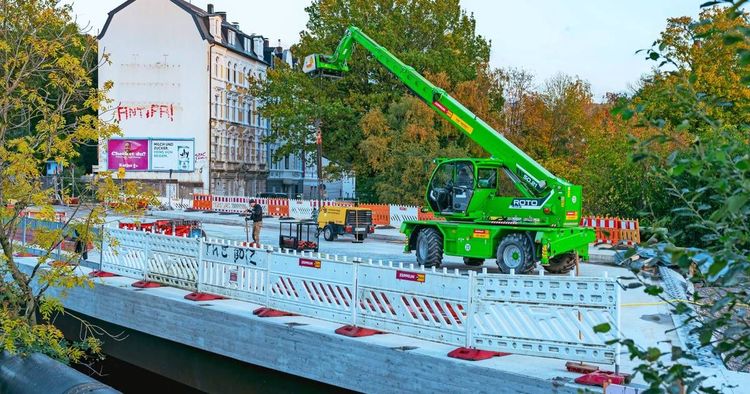
Crews are assembling scaffolding on the Blasewitz side of the bridge, following similar work on the Loschwitz side. Heavy-duty supports were installed along both sides of the roadway during the fall school break. The weekend closures allow workers to fit the first steel beams and work platforms between those supports.
Once the scaffolding is in place, work on the bridge's trusses is expected to continue with traffic passing underneath.
According to the city, Leonhard Weiss GmbH & Co. KG, based in Langen, is carrying out the Blasewitz-side work under a contract worth about 17.5 million euros.
The bridge has been undergoing extensive renovation for years, including repairs to steel components and renewal of its corrosion protection. The overall project is expected to cost about 38 million euros and continue through 2029.
A steel bridge dating to 1893
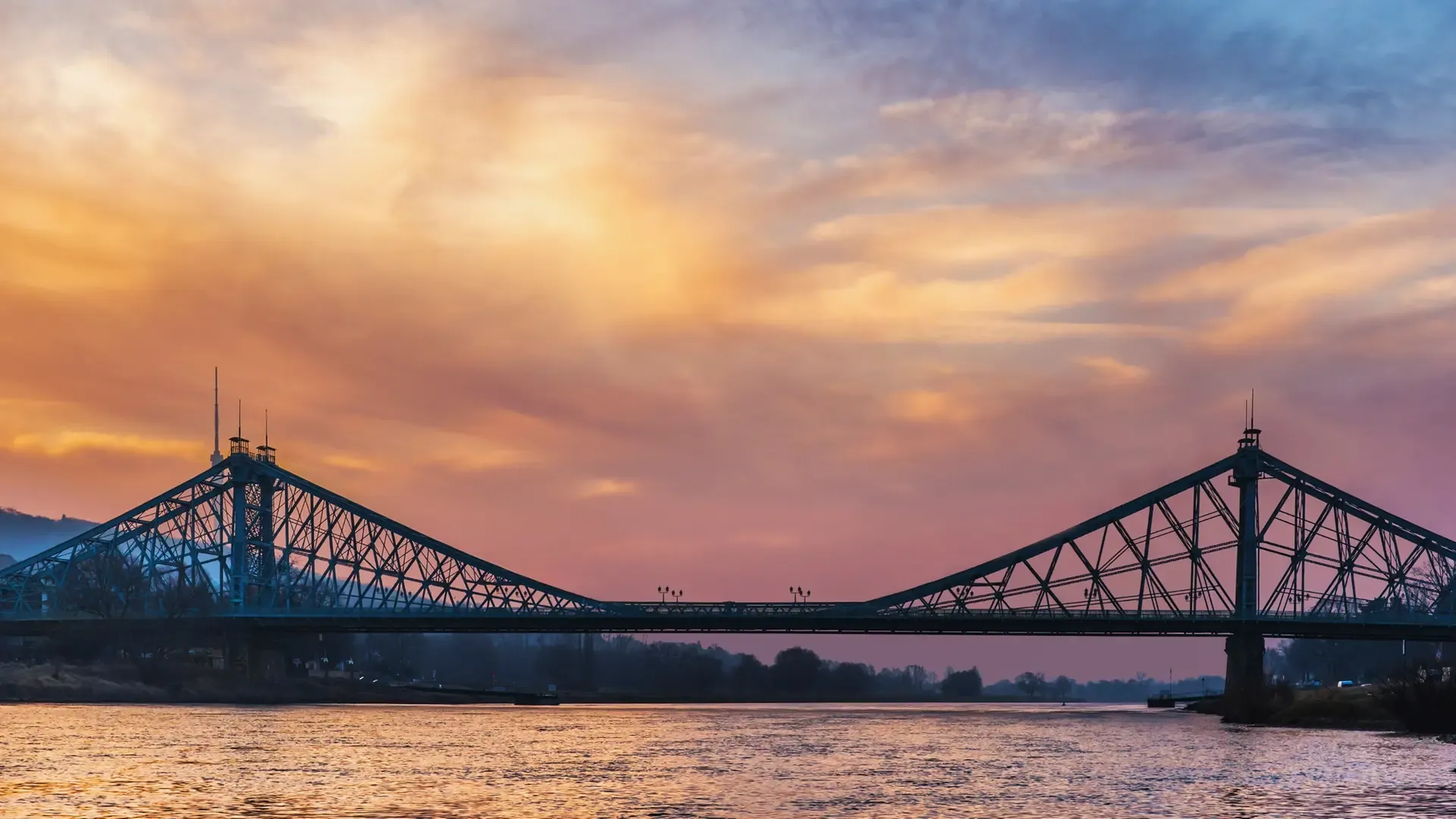
Officially named the Loschwitzer Brücke, the Blaues Wunder was built from 1891 to 1893 and opened on July 15, 1893. Civil engineer Claus Koepcke developed the design with the Saxon Königin-Marien-Hütte ironworks. Its stiffened suspension-bridge design made it one of the first bridges in Europe to cross a major river without piers in the water.
City figures put the bridge's length at 280 meters and its width at 12 meters. Its trusses rise about 24 meters, and the structure weighs roughly 3,500 metric tons.
The nickname Blaues Wunder refers to its blue paint. According to the city, the bridge was already blue when it opened in 1893; the familiar story that weathering changed an originally green finish to blue is false.
Several Dresden residents, acting independently, prevented the bridge's planned demolition in 1945. A plaque on the downstream walkway on the Blasewitz side commemorates their actions.
Changes in traffic over the decades
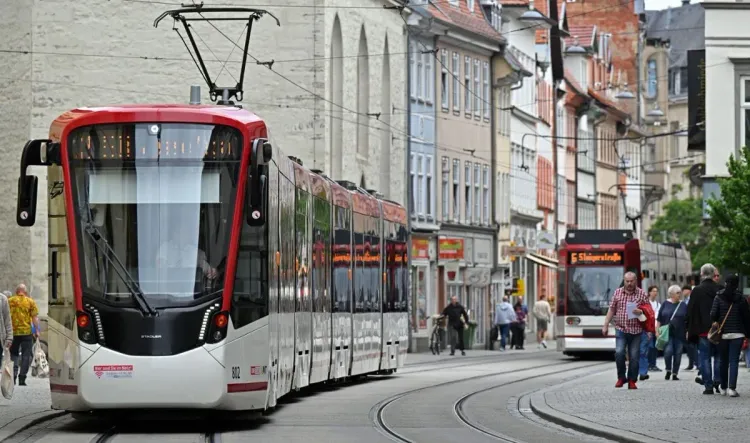
Trams used the bridge from its opening in 1893 until the final crossing on April 8, 1985. The service was discontinued to reduce the load on the structure.
Motor-vehicle counts have also fallen over the years. Figures cited by Wikipedia show 32,500 vehicles per 24 hours in 2009, compared with 29,930 in 2015 and 28,400 in 2016.