Court measures and employee pay
The Düsseldorf Local Court ordered preliminary insolvency measures for Capricorn Holding GmbH and Capricorn Composite GmbH on November 4, 2026. The two companies are legally separate: the holding company's case number is 500 IN 159/26, while the composite company's is 504 IN 197/26.
Andres, of the law firm AndresPartner, is overseeing the preliminary stage. Neither company may dispose of assets without his consent. As of early November, the court had not yet formally opened full insolvency proceedings.
Business is expected to continue normally for now. Andres is arranging Insolvenzgeld, Germany's insolvency benefit, for affected employees. Paid by the Federal Employment Agency, it replaces unpaid net wages for up to three months before proceedings open, securing salaries while operations continue.
WirtschaftsWoche reports that an investor search is expected to begin quickly. Managing director Robertino Wild described the insolvency as a shock, according to Rheinische Post.
A European supplier with motorsport customers
Capricorn says its group employs around 500 people across seven European locations. Its administrative headquarters are in Düsseldorf, with production sites in Germany, France, Italy and the United Kingdom.
Wild founded the business in 1994, turning his interest in cars and motorcycles into a group specializing in lightweight construction and highly specialized components for automakers and motorsport. He also became known for his attempt to buy the Nürburgring.
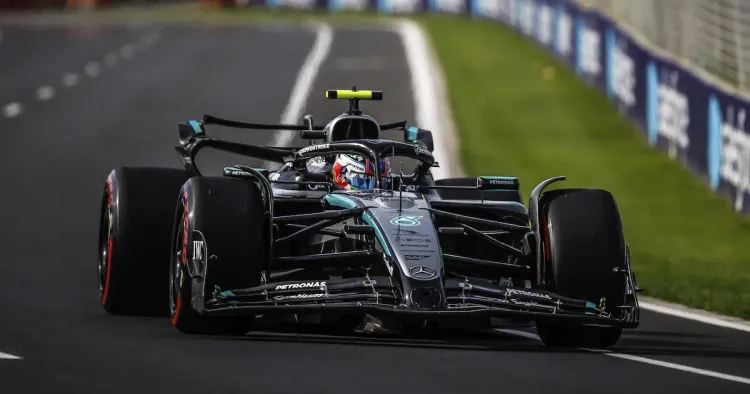
According to Rheinische Post, Capricorn supplied Porsche with chassis, Lamborghini with crankshafts and Bugatti with engine parts. The newspaper also reported that Formula 1 teams had been customers.
Carscoops identifies several motorsport users of Capricorn's lightweight components: Porsche in LMP1; Peugeot Sport at Le Mans and in Dakar; Mercedes, Lotus and Caterham in Formula 1; and Volkswagen in the WRC.
The 19-car Zagato project
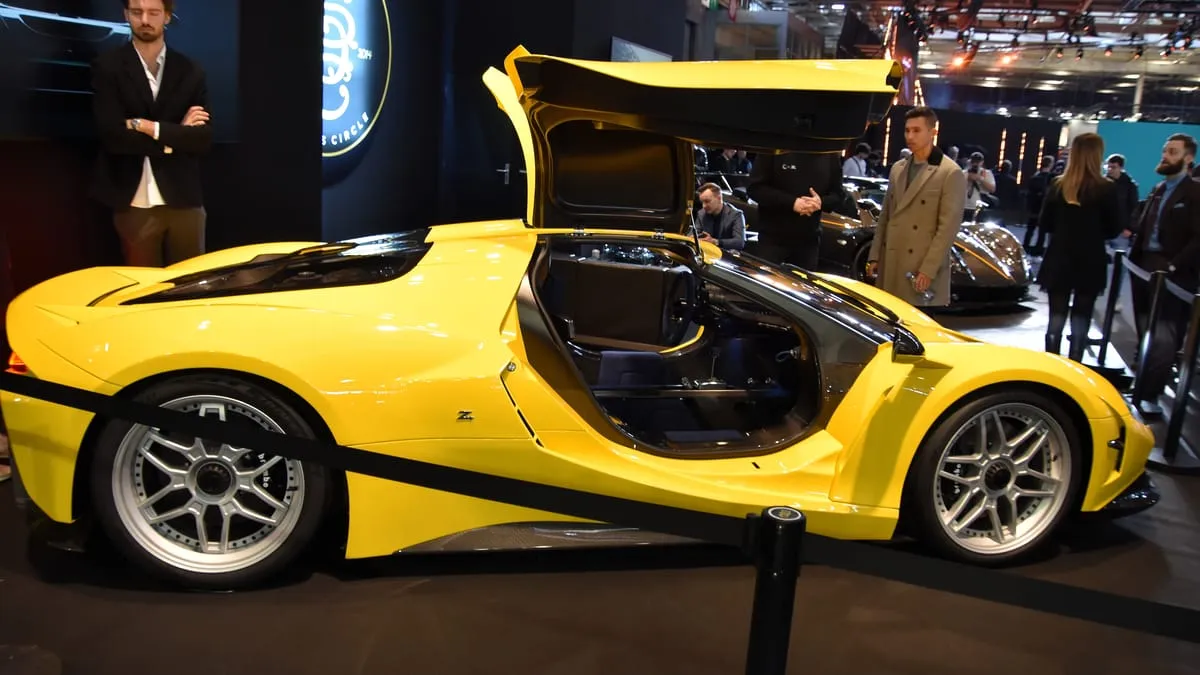
Alongside its supplier business, Capricorn developed the Capricorn 01 Zagato with Italian coachbuilder Zagato. The companies planned a production run of just 19 cars, with prices starting at €2.95 million before taxes.
The hypercar produces 900 PS and weighs around 1,200 kilograms. Its claimed acceleration from a standstill to 100 km/h is 2.9 seconds.
Carscoops reports that the engine is a mid-mounted, supercharged 5.2-liter V8, developed further by Capricorn from a Ford engine. Output is over 888 hp (900 PS), with about 1,000 Nm of torque. A five-speed dog-leg manual gearbox drives only the rear wheels. The report lists a dry weight below 1,200 kg and a stated top speed of 360 km/h (224 mph).
Planned sales markets included the EU, the UK, Switzerland, Japan, Mexico, Canada and the Middle East. AUTO BILD reported interest from around 75 prospective buyers and said about half of the 19 cars were already taken, describing the customers as professional racers, collectors and wealthy enthusiasts.
Capricorn also had broader production ambitions. According to Carscoops, it planned to expand its Nürburgring facilities in 2026, aiming to accommodate future projects in batches of 100 to 200 vehicles a year and make room for additional supercars and hypercars.
Cause and hypercar's future remain unresolved
The reason for the two companies' insolvency is not yet known. WirtschaftsWoche suggested that Wild may have underestimated the hypercar's development and investment costs, but that explanation has not been confirmed.
Whether the Capricorn 01 Zagato project can continue, and under what conditions, remains unclear.