
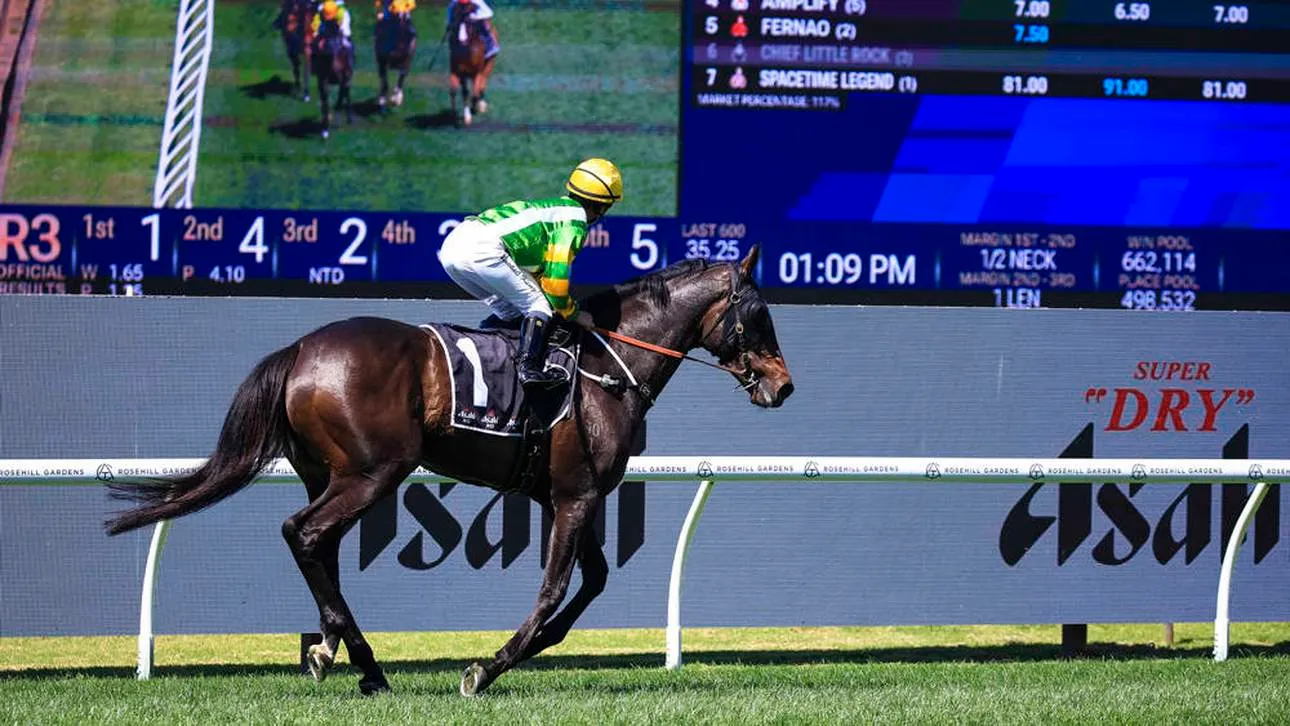
From emergency surgery to a landfill
Footage of the five-year-old gelding's remains circulated on Monday. A construction worker who discovered the body filmed the scene, expressing shock and questioning whether the handling was legal. The treating veterinary clinic confirmed the horse's identity.
So You Are had developed colic nearly two weeks after the Melbourne Cup in early November. According to The Sydney Morning Herald, he was resting at a paddock near Camden, New South Wales, rather than in trainer Bjorn Baker's care when he fell ill on Monday, November 16, 2026. He was rushed to emergency surgery while his owner, Stuart Ramsey, was traveling in western Queensland.
During the operation, a decision was made to euthanize him. His body was supposed to be buried, but a disposal contractor collected it and temporarily stored it at the landfill. The facility's operator said the remains were transferred to a container because safety restrictions prevented the transport vehicle from entering the landfill area directly.
Bred and raced by Ramsey through his Ramsey Pastoral operation, So You Are was a son of So You Think. The Straight reported that he earned A$1.4 million and won eight of his 29 starts. Before finishing eighth in the 2026 Melbourne Cup, he had won four races that spring, including the Group 3 Colin Stephen Quality, the ATC St Leger and the Group 3 Bendigo Cup.
Owner and trainer demand accountability
Ramsey said he had not been given the opportunity to bury So You Are at his stud farm near Scone, New South Wales. "Heads should roll," he told Australian media, describing the handling of the remains as "the worst thing to happen in my lifetime," according to The Sydney Morning Herald.
Baker said on X that he was deeply distressed by the footage. He described So You Are as a much-loved horse who deserved dignity and respect after death, called the handling unacceptable and disrespectful, and demanded a full explanation.
The clinic publicly apologized, acknowledging that although it had not handled the disposal itself, it had selected the contractor. It said it should have known how horses were treated after leaving its care and that its process needed to change. The clinic ended its relationship with the disposal company and said the incident was under investigation.
A review of disposal practices
Racing NSW distinguished between the use of a landfill and the way So You Are's remains were left. It said a licensed landfill was an allowable disposal option for euthanized animals under New South Wales Department of Agriculture guidelines, but condemned the handling of his body as disturbing and unacceptable.
Chief executive Graeme Hinton called the treatment "totally unacceptable" and said Racing NSW was reviewing burial and cremation practices, including possible new rules and minimum standards. He also planned to consult racing authorities in other states about a national response.
NSW Premier Chris Minns addressed the case on Wednesday, November 18, calling it "distressing for everyone involved" and saying it "needed to be fully investigated". Minns noted that his government appoints the Racing NSW board and said the industry needed better ways to dispose of dead horses. "We expect these things not to happen," he said.
The Sydney Morning Herald reported that, as of November 18, 2026, NSW had no specific horse-carcass disposal requirements beyond advice to use protective equipment to avoid disease. The Racing NSW board was expected to meet soon to discuss disposal standards.
In Victoria, the racing regulator offers three burial options for horses euthanized away from a racecourse. Racing Victoria requires animal-removal contractors to put the remains in the burial site and cover them with dirt within 30 minutes.
Why prompt burial matters
An ABC News analysis published November 18 explained that veterinarians commonly use licensed landfills to dispose of dead horses. NSW Department of Primary Industries guidance identifies this as the preferred option in most circumstances. The standard procedure is to use designated areas and cover the remains without delay.
The analysis said horses are usually euthanized with a barbiturate overdose. The drug remains in their tissues long after death and can poison animals that feed on the carcass, making prompt, deep burial necessary and an open waste container a risk.
A review of reported poisoning cases found that scavenging birds accounted for most affected wild animals; 86 percent of those birds were eagles or their relatives. Dogs were the domestic animals most often reported poisoned.