Searches continue into the evening
A police spokeswoman said the operation was part of proceedings handled by Zeos NRW, the central office for prosecuting organized crime based at the Düsseldorf public prosecutor's office. She provided no further details about the investigation.
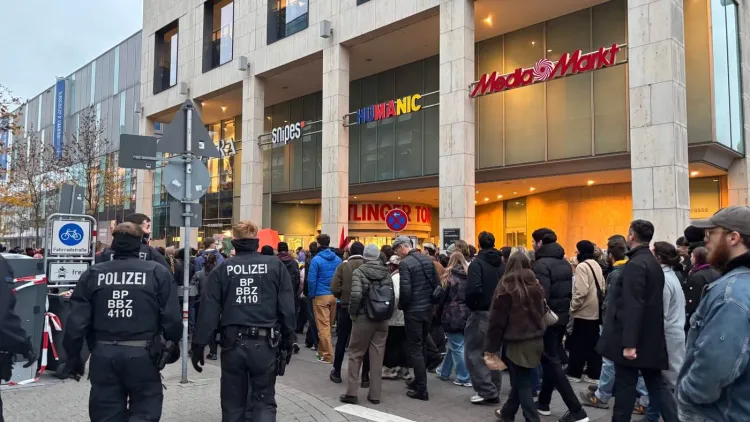
WDR reported that officers searched several locations in Mönchengladbach's city center and that the operation had not ended by about 8 p.m.
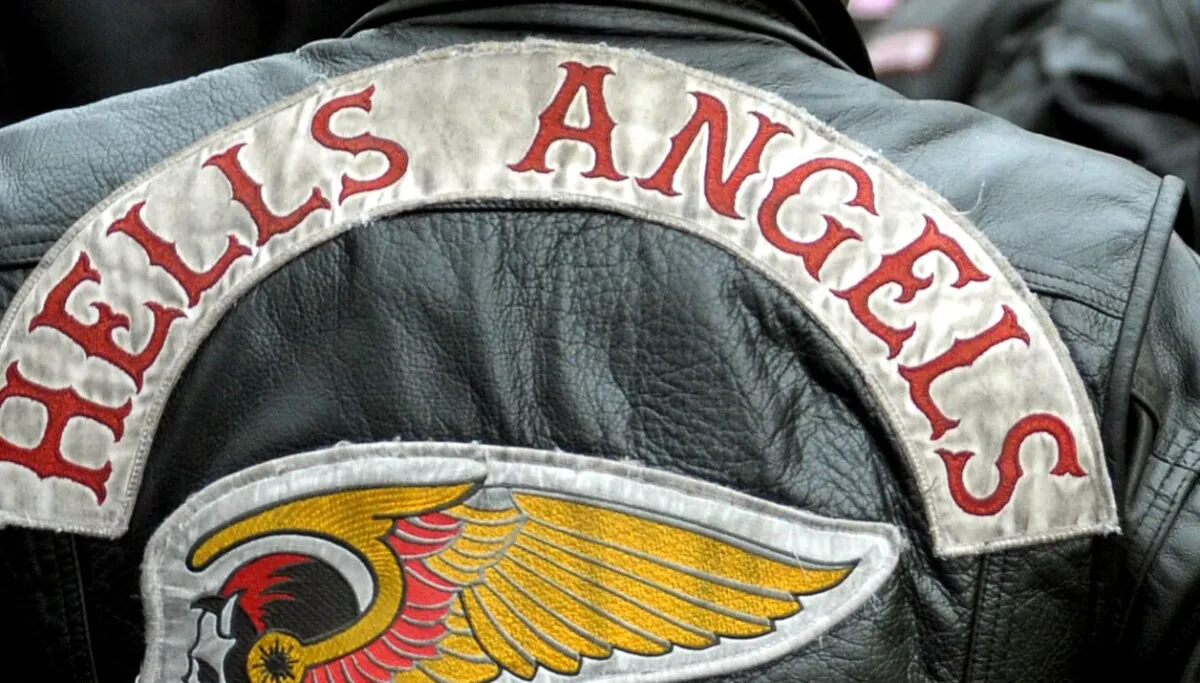
The Hells Angels are North Rhine-Westphalia's largest motorcycle club, according to state criminal police figures reported by dpa through Süddeutsche Zeitung. Authorities attribute around 460 members to the club. Roughly 700 other bikers belong to other groups in the state, while the rival Bandidos have about 130 members.
Police checked a local party in October
The latest operation follows a police check at a private Hells Angels party attended by around 400 people in Mönchengladbach's Bonnenbroich district in late October.
According to WDR, police detained two people at the party, including one wanted on an arrest warrant. Another person was suspected of dealing narcotics and carrying readily accessible weapons in a bag.
Officers filed several criminal complaints, including over suspected drug and weapons offenses. They also confiscated a club vest, known as a Kutte, because it allegedly displayed prohibited insignia.
September raids spanned Germany and neighboring countries
On September 30, more than 1,000 officers took part in raids targeting a money-laundering network around the Hells Angels. Led by the Duisburg public prosecutor's office, that operation covered Duisburg, other German cities and locations elsewhere in Europe.
Authorities were investigating 71 suspects. According to dpa, officers searched around 140 properties and executed 14 arrest warrants. The operation sought to seize assets worth 48.6 million euros.
Searches extended to Rhineland-Palatinate, Baden-Württemberg, Berlin and Bavaria, as well as Belgium, Bulgaria and the Netherlands.
Selahattin A. was among those arrested in Duisburg. WDR described him as probably the most powerful Hells Angel in North Rhine-Westphalia and a longtime figure in the group's leadership. His name had also surfaced in connection with a violent confrontation at Duisburg's Hamborner Altmarkt in May 2022.
According to WDR, that shooting prompted the September investigation. An encounter between Hells Angels members and a large family escalated, leaving four people injured and a snack bar destroyed. Two shooters, a clan member and a biker, were sentenced to prison.
Public employees also investigated
The September investigation also involved suspected misconduct by public employees. A police officer and two Duisburg municipal employees were investigated on suspicion of passing information obtained through their official duties to third parties. Another city employee was suspected of accepting bribes in exchange for granting advantages.
North Rhine-Westphalia Interior Minister Herbert Reul, a member of the CDU, praised the September raid as an effective blow against organized crime. He described a network of companies and real estate used to make illicit money appear legitimate.
The state's Office for Combating Financial Crime, known as the LBF and established in 2025, also participated in the September operation.